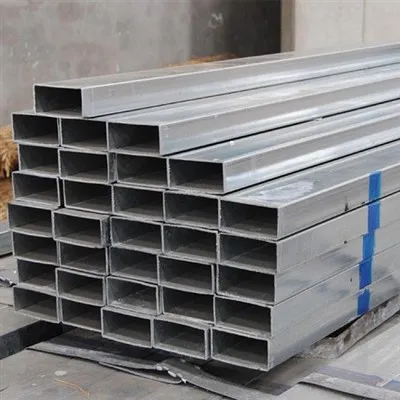
As a provider of galvanized rectangular tubes, I understand the significance of accurately measuring the zinc coating thickness. The zinc coating not only enhances the tube's durability but also ensures its corrosion resistance, which is vital for various applications. In this blog post, I'll share several methods to measure the zinc coating thickness on galvanized rectangular tubes.
Why Measuring Zinc Coating Thickness Matters
Before delving into the measurement methods, it's essential to understand why measuring the zinc coating thickness is crucial. A proper zinc coating acts as a protective barrier, preventing the base steel from coming into contact with moisture and oxygen, thus reducing the risk of rust and corrosion. This extends the tube's lifespan, especially in harsh environments. Additionally, many industries have specific standards for zinc coating thickness that must be met to ensure the quality and performance of the products using these tubes. For instance, in construction projects, the durability of structures heavily relies on the proper coating of galvanized tubes.
Visual Inspection: A Preliminary Assessment
Visual inspection is the simplest and quickest way to start evaluating the zinc coating on a galvanized rectangular tube. A well-coated tube should have a smooth, uniform appearance without any visible signs of bare spots, blisters, or unevenness. However, visual inspection alone is not sufficient to determine the exact thickness of the zinc coating. It can only provide a rough idea of the coating's quality and integrity. If you notice any irregularities during visual inspection, it may indicate potential issues with the coating process or the quality of the zinc used.
Magnetic Induction Method
The magnetic induction method is one of the most commonly used techniques for measuring zinc coating thickness on ferromagnetic substrates, such as steel. This method is based on the principle that the magnetic field generated by a probe is affected by the presence of a non - magnetic coating (zinc) on a magnetic substrate (steel).
To use this method:


- Calibration: First, calibrate the magnetic induction gauge using a standard sample with a known zinc coating thickness. This ensures accurate measurements.
- Measurement Process: Place the probe of the gauge firmly on the surface of the galvanized rectangular tube. The gauge will measure the magnetic flux and convert it into a coating thickness value. Take multiple measurements at different locations on the tube to account for any variations in coating thickness.
- Advantages: This method is non - destructive, which means it doesn't damage the tube during the measurement process. It's also relatively quick and easy to use, making it suitable for on - site inspections.
- Limitations: The accuracy of the magnetic induction method can be affected by factors such as the surface roughness of the tube, the presence of contaminants, and the curvature of the tube.
Eddy Current Method
The eddy current method is another non - destructive technique used for measuring the thickness of non - magnetic coatings on non - ferromagnetic substrates. Although galvanized rectangular tubes are typically made of steel (a ferromagnetic material), this method can be used in some cases where the base material has a low magnetic permeability or when measuring the thickness of additional non - magnetic coatings on top of the zinc layer.
Here's how it works:
- Principle: An alternating current is passed through a coil in the probe, creating an alternating magnetic field. When the probe is placed near the coated surface, eddy currents are induced in the conductive coating (zinc). The strength of these eddy currents is affected by the coating thickness, and the gauge measures this change to determine the thickness.
- Calibration and Measurement: Similar to the magnetic induction method, the eddy current gauge needs to be calibrated using a standard sample. Then, the probe is placed on the tube's surface, and the measurement is taken.
- Advantages: It offers high accuracy and can be used on a variety of substrates. It's also suitable for measuring thin coatings.
- Limitations: The eddy current method is more complex and expensive compared to the magnetic induction method. It also requires a clean and smooth surface for accurate measurements.
Gravimetric Method
The gravimetric method is a destructive but highly accurate way to measure the zinc coating thickness. This method involves removing the zinc coating from a known area of the tube and weighing it.
The steps are as follows:
- Sample Preparation: Cut a small sample from the galvanized rectangular tube. Make sure to record the exact surface area of the sample.
- Coating Removal: Immerse the sample in a suitable acid solution to dissolve the zinc coating. The acid should be chosen carefully to ensure that it only dissolves the zinc and not the base steel.
- Weighing: After the zinc coating is completely removed, dry the sample and weigh it. The difference in weight before and after coating removal represents the weight of the zinc coating.
- Calculation: Using the density of zinc and the surface area of the sample, the thickness of the zinc coating can be calculated.
- Advantages: This method provides very accurate results and can be used as a reference for calibrating non - destructive measurement techniques.
- Limitations: It is a destructive method, which means the tube sample is damaged during the process. It's also time - consuming and requires specialized equipment and chemicals.
X - Ray Fluorescence (XRF) Method
The X - Ray Fluorescence (XRF) method is a non - destructive technique that can be used to measure the zinc coating thickness. It works by directing X - rays at the surface of the galvanized tube. The zinc atoms in the coating absorb the X - rays and emit characteristic fluorescent X - rays. The intensity of these fluorescent X - rays is proportional to the amount of zinc in the coating, which can be used to calculate the coating thickness.
- Measurement Process: The XRF instrument is placed close to the tube's surface, and the measurement is taken. The instrument can provide instant results.
- Advantages: It is non - destructive, fast, and can measure the thickness of multiple layers if present. It also doesn't require any sample preparation.
- Limitations: The XRF method is relatively expensive, and the accuracy can be affected by the presence of other elements in the coating or substrate.
Importance of Regular Measurement
As a galvanized rectangular tube supplier, I emphasize the importance of regular measurement of zinc coating thickness. During the manufacturing process, continuous monitoring can help ensure that the coating thickness meets the required standards. For customers, regular inspections can help detect any signs of coating degradation over time, allowing for timely maintenance or replacement of the tubes.
Applications of Galvanized Rectangular Tubes
Galvanized rectangular tubes are widely used in various industries due to their excellent corrosion resistance and structural strength. In construction, they are used for building frames, support structures, and fencing. The Rectangular Steel Tubing is a popular choice for its durability and versatility in architectural designs.
In the manufacturing industry, rectangular square steel tube are used for making machinery parts, conveyor systems, and automotive components. The zinc coating protects these parts from rust and wear, ensuring a longer service life.
The Hot Rolled Square Tube is often used in heavy - duty applications, such as bridges and industrial structures. The hot - rolling process gives the tube better mechanical properties, while the zinc coating provides additional protection against the elements.
Hollow Square Steel Tube are commonly used in furniture manufacturing, as they are lightweight yet strong. The zinc coating not only enhances the appearance but also makes the furniture more resistant to scratches and corrosion.
Mild steel square hollow section are used in a wide range of applications, from electrical conduits to agricultural equipment. The mild steel provides good formability, and the zinc coating ensures long - term protection.
Conclusion
Accurately measuring the zinc coating thickness on galvanized rectangular tubes is essential for ensuring their quality and performance. Whether you are a manufacturer, a contractor, or an end - user, understanding the different measurement methods can help you make informed decisions. As a supplier, I am committed to providing high - quality galvanized rectangular tubes with the right zinc coating thickness. If you are interested in purchasing our galvanized rectangular tubes or have any questions about zinc coating measurement, please feel free to contact us for further discussion and procurement negotiation.