Yo, fellow project enthusiasts! I'm a supplier of hot rolled square tubes, and I know picking the right wall thickness for these tubes in a specific project can be a real head - scratcher. But don't worry, I've got your back. In this blog, I'm gonna walk you through all the important factors to consider so you can make the best choice.
Understanding the Basics of Hot Rolled Square Tubes
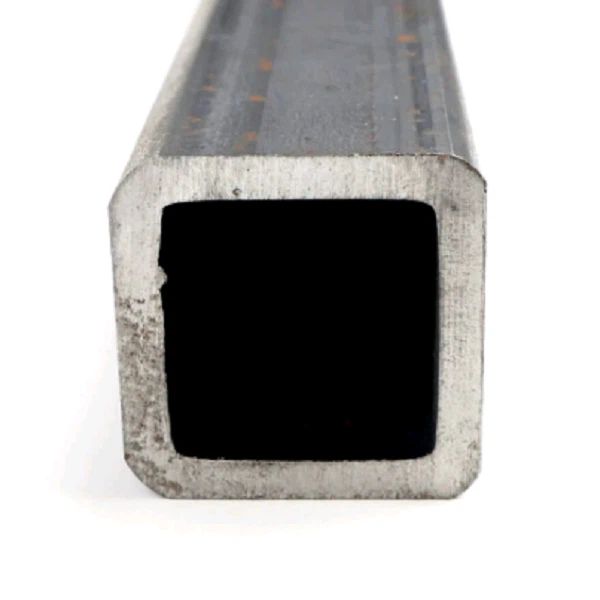
First up, let's get clear on what hot rolled square tubes are. These tubes are made through a hot rolling process. During this process, steel is heated up to a super - high temperature and then rolled into square shapes. The result is a tube that's strong and has good structural integrity.
Now, the wall thickness of these tubes can vary a lot. It's not just a random number; it plays a huge role in how the tube performs in your project. A thicker wall can generally handle more stress, but it also means more weight and cost. On the flip side, a thinner wall is lighter and cheaper, but it might not be up to the task if your project has high - stress requirements.
Factors to Consider When Choosing Wall Thickness
1. Load Requirements
One of the most important things to think about is the load your hot rolled square tubes will need to bear. If your project involves a structure that has to support heavy weights, like a large industrial building or a bridge, you'll need tubes with a thicker wall. For example, if you're building a multi - story building, the columns made of hot rolled square tubes need to be strong enough to hold up the weight of the upper floors. A thin - walled tube just won't cut it in this situation.
On the other hand, if you're working on a smaller project, like a simple outdoor shed or a small - scale display structure, you can probably get away with thinner - walled tubes. These projects don't have as much weight to support, so you don't need the extra strength that comes with a thicker wall.
2. Environmental Conditions
The environment where your project is located also matters big time. If your hot rolled square tubes will be exposed to harsh weather conditions, such as strong winds, heavy rain, or extreme temperatures, you'll want to choose a thicker wall. For instance, in coastal areas where there's a lot of salt in the air, corrosion can be a major problem. A thicker wall provides more material to withstand the corrosion over time.
In a dry, stable environment with little stress from the weather, you might be able to use a thinner - walled tube. But keep in mind that even in these conditions, you still need to consider other factors like the load and the overall design of your project.
3. Cost
Let's be real, cost is always a consideration in any project. Thicker - walled hot rolled square tubes are generally more expensive because they use more raw material. So, you need to balance the need for strength with your budget. Sometimes, you might be able to find a sweet spot where you can use a slightly thinner wall without sacrificing too much strength. This can save you a significant amount of money, especially on large - scale projects.
For example, if your project has some areas where the stress is lower, you can use thinner - walled tubes there while using thicker - walled tubes in the high - stress areas. This way, you can optimize your cost without compromising on the overall safety and functionality of the project.
Types of Square Tubes and Their Wall Thickness Relevance
- Cold Rolled Square Tube: Cold rolled square tubes are made through a cold rolling process, which gives them a smoother finish and more precise dimensions compared to hot rolled ones. The choice of wall thickness for cold rolled square tubes can also be influenced by the same factors as hot rolled tubes. If you're interested in cold rolled square tubes, check out this link: Cold Rolled Square Tube. You might find that in some applications, cold rolled tubes with a particular wall thickness are a better fit for your project.
- Mild Steel Square Hollow Section: Mild steel square hollow sections are widely used in construction and other industries. When choosing the wall thickness for these sections, you need to consider the specific requirements of your project. A mild steel square hollow section with a proper wall thickness can provide good structural support. To learn more about mild steel square hollow sections, click here: mild steel square hollow section.
- Seamless Steel Square Tubing: Seamless steel square tubing is known for its high strength and reliability. The wall thickness of seamless tubes is crucial for ensuring their performance. If you're considering using seamless steel square tubing in your project, you can find more information here: seamless steel square tubing.
How to Calculate the Right Wall Thickness
Calculating the exact wall thickness can be a bit tricky, but there are some resources and tools available. You can consult engineering handbooks or use online calculators. These resources take into account factors like the load, the type of material, and the dimensions of the tube.
However, if you're not an engineer or don't have the time to do a detailed calculation, don't worry. As a hot rolled square tube supplier, I've got the expertise to help you. I can look at the specifics of your project and recommend the best wall thickness based on my experience and knowledge.
Case Studies
Let me share a couple of case studies to give you a better idea of how wall thickness selection works in real - world projects.
Case Study 1: Industrial Warehouse
A client was building an industrial warehouse. The structure needed to support large amounts of stored goods and equipment. After analyzing the load requirements and considering the environmental conditions (the warehouse was in an area with occasional strong winds), we recommended using hot rolled square tubes with a relatively thick wall. These tubes provided the necessary strength to support the heavy load and withstand the wind forces. The project was a success, and the client was happy with the performance of the tubes.
Case Study 2: Garden Pergola
Another client wanted to build a garden pergola. Since the pergola was mainly for aesthetic purposes and didn't need to support a lot of weight, we suggested using thinner - walled hot rolled square tubes. This not only saved the client money but also made the pergola lighter and easier to install. The end result was a beautiful and functional pergola.

Wrapping Up and a Call to Action
Choosing the right wall thickness for hot rolled square tubes in a specific project is all about balancing various factors like load requirements, environmental conditions, and cost. It might seem complicated at first, but with the right information and a bit of guidance, you can make the right choice.
If you're working on a project that needs hot rolled square tubes and you're still not sure about the wall thickness, don't hesitate to reach out. I'm here to help you make the best decision for your project. Whether you need advice on the technical aspects or want to discuss pricing, just hit me up. Let's work together to get the perfect hot rolled square tubes for your project.
References
- Steel Construction Manual, American Institute of Steel Construction
- Engineering Mechanics textbooks