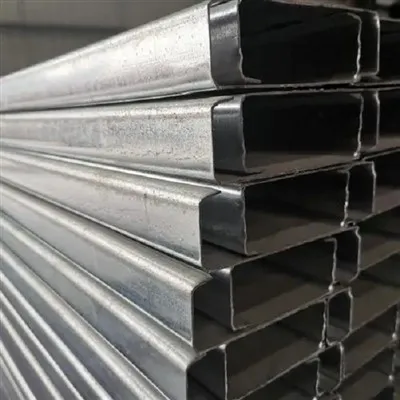
As a supplier of solar mounting L-brackets, I've witnessed firsthand the importance of these components in solar panel installations, especially in areas with extreme temperature variations. In this blog, I'll delve into how solar mounting L-brackets perform under such challenging conditions, drawing on my experience and industry knowledge.
Understanding the Basics of Solar Mounting L-Brackets
Solar mounting L-brackets are essential parts of any solar panel installation. They are used to secure solar panels to various structures, such as rooftops or ground mounts. The Solar Mounting L-Bracket provides a stable and reliable connection, ensuring that the panels remain in place despite external forces like wind, snow, and, of course, temperature changes.
Impact of Extreme Temperature Variations on Solar Mounting L-Brackets
Thermal Expansion and Contraction
One of the most significant challenges posed by extreme temperature variations is thermal expansion and contraction. As the temperature rises, materials expand, and as it falls, they contract. Solar mounting L-brackets are typically made of metals such as aluminum or steel, which have different coefficients of thermal expansion.
For example, aluminum has a relatively high coefficient of thermal expansion compared to steel. In areas with large temperature swings, this can lead to stress on the brackets. If the expansion and contraction are not properly accounted for, it can cause the brackets to warp, bend, or even break over time. This can compromise the integrity of the entire solar panel installation, leading to potential safety hazards and reduced energy production.
Corrosion
Extreme temperatures can also accelerate the corrosion process. In hot and humid environments, the combination of high temperatures and moisture can cause metals to rust more quickly. On the other hand, in cold environments, salt used for de-icing roads can also contribute to corrosion.
Corrosion weakens the structural integrity of the solar mounting L-brackets. It can cause the brackets to lose their strength, making them more prone to failure. This is particularly concerning in areas where the solar panels are exposed to the elements for long periods.
Material Fatigue
Repeated cycles of thermal expansion and contraction can lead to material fatigue. Over time, the constant stress on the brackets can cause microcracks to form. These microcracks can gradually grow and eventually lead to the failure of the brackets.
Material fatigue is a serious issue, especially in areas with extreme temperature variations. It can be difficult to detect in the early stages, but once it becomes significant, it can have a major impact on the performance and lifespan of the solar panel installation.
How Our Solar Mounting L-Brackets Perform in Extreme Temperature Variations
High-Quality Materials
We use high-quality materials in the production of our solar mounting L-brackets. Our brackets are made of corrosion-resistant aluminum or steel, which can withstand the effects of extreme temperatures and harsh environments. The materials are carefully selected to have appropriate coefficients of thermal expansion, reducing the risk of warping and bending due to temperature changes.
Advanced Design
Our brackets are designed with thermal expansion and contraction in mind. We incorporate features such as flexible joints and expansion slots to allow for the natural movement of the materials. This helps to reduce stress on the brackets and prevent damage caused by temperature variations.
Rigorous Testing
Before our solar mounting L-brackets are released to the market, they undergo rigorous testing in simulated extreme temperature environments. We test the brackets for strength, durability, and resistance to corrosion. This ensures that they can perform reliably in areas with extreme temperature variations.
Comparison with Other Types of Solar Mounting Brackets
C-shaped Steel Photovoltaic Bracket
The C-shaped Steel Photovoltaic Bracket is another popular type of solar mounting bracket. While it offers good strength and stability, it may be more susceptible to corrosion in extreme temperature and humid environments compared to our aluminum L-brackets. Additionally, the steel brackets may have a higher coefficient of thermal expansion, which can lead to more significant stress during temperature changes.
Pitched Roof PV Brackets
Pitched Roof PV Brackets are designed specifically for pitched roofs. They are often made of lightweight materials to reduce the load on the roof. However, in areas with extreme temperature variations, these brackets may not be as durable as our L-brackets. The lightweight materials may be more prone to warping and bending due to thermal expansion and contraction.
Real-World Examples
We have installed our solar mounting L-brackets in various locations around the world, including areas with extreme temperature variations. In a project in a desert region, where the temperature can reach over 50°C during the day and drop below freezing at night, our brackets have performed exceptionally well. After several years of operation, there have been no signs of significant damage or failure.
In another project in a cold climate with heavy snowfall and freezing temperatures, our brackets have withstood the harsh conditions. The corrosion-resistant materials and advanced design have ensured that the brackets remain strong and stable, providing reliable support for the solar panels.


Conclusion
In conclusion, solar mounting L-brackets play a crucial role in the performance and longevity of solar panel installations, especially in areas with extreme temperature variations. Our high-quality materials, advanced design, and rigorous testing ensure that our brackets can withstand the challenges posed by thermal expansion, corrosion, and material fatigue.
If you are planning a solar panel installation in an area with extreme temperature variations, we invite you to contact us for more information about our Solar Mounting L-Brackets. Our team of experts is ready to assist you in selecting the right brackets for your project and providing you with the best solutions. We look forward to the opportunity to work with you and contribute to the success of your solar energy project.