Can MCB copper bars be used in DC circuits? That's a question I get asked a lot as a supplier of MCB Copper Bar. And the answer is a bit more complicated than a simple yes or no. In this blog post, I'm gonna dive into the nitty - gritty of using MCB copper bars in DC circuits, weigh the pros and cons, and give you my two cents on the matter.
Understanding MCB Copper Bars
First off, let's chat about what MCB copper bars are. MCB stands for Miniature Circuit Breaker, and these copper bars are vital components in electrical systems. They've got excellent electrical conductivity and are super durable, which makes them a top pick for a whole bunch of applications. Usually, you'll find them in AC circuits, where they help in distributing electrical power and protecting the circuit from overloads. The conductivity of copper is one of its biggest selling points. It allows electricity to flow through with very little resistance, reducing energy loss and heat generation.
Basics of DC Circuits
DC, or direct current, is a type of electrical current that flows in one direction only. It's what you'll find in things like batteries, solar panels, and some electronic devices. Unlike AC (alternating current), which changes its direction periodically, DC provides a constant flow of electricity. DC circuits have their own set of requirements and challenges, like dealing with issues such as polarity and the way electrical components behave under a steady current.
Using MCB Copper Bars in DC Circuits: The Pros
High Conductivity
One of the main reasons MCB copper bars can work well in DC circuits is their high conductivity. Just like in AC circuits, copper allows DC to flow smoothly, minimizing power loss. This means that your electrical system can operate more efficiently, which is always a plus. Whether you're powering a small electronic device or a large industrial setup, the low resistance of copper bars helps in maintaining a stable current flow.
Durability
MCB copper bars are built to last. They can withstand high temperatures and mechanical stress, which is crucial in DC applications. For example, in a car battery system, the copper bars need to be tough enough to handle the vibrations and temperature changes. The durability of these bars ensures a long - lasting and reliable electrical connection, reducing the need for frequent replacements.
Compatibility with DC Components
Many DC components, such as Car Battery Terminal Connectors, are designed to work with copper. The copper bars can easily be integrated into existing DC systems, making them a convenient choice. This compatibility simplifies the installation process and reduces the chances of compatibility issues that could lead to circuit failures.
Using MCB Copper Bars in DC Circuits: The Cons
Arc Suppression
One of the major challenges of using MCB copper bars in DC circuits is arc suppression. When a DC circuit is interrupted, an arc can form across the circuit breaker contacts. Unlike in AC circuits, where the current naturally crosses zero at regular intervals, extinguishing the arc, DC arcs are harder to break. This is because the continuous flow of current in one direction means there's no natural zero - crossing point. MCBs designed for AC circuits may not have the necessary arc - suppression features for DC applications, which could lead to problems like contact erosion and circuit damage.
Polarity Considerations
DC circuits have a clear positive and negative polarity. When installing MCB copper bars in a DC circuit, it's crucial to get the polarity right. Reversing the polarity can lead to malfunctions in the electrical components and potentially damage the circuit. In contrast, AC circuits don't have a fixed polarity, so this isn't an issue. Mistakes in polarity can be a significant drawback when using MCB copper bars in DC systems.
Specific DC Ratings
MCB copper bars designed for AC circuits usually have different ratings than those required for DC circuits. The voltage and current ratings for DC circuits can be quite different from AC circuits. For instance, a 240V AC MCB may not be suitable for a 24V DC circuit because the way electrical arcs behave and the level of stress on the components are different. You need to make sure that the MCB copper bars you're using are specifically rated for the DC application.
Real - World Applications
Let's take a look at some real - world scenarios where MCB copper bars are used in DC circuits.
Automotive Industry
In cars, DC power is used extensively. Car Battery Terminal Connectors often use copper bars to connect the battery to the electrical system. The copper bars need to be able to handle the high current draw from the starter motor and other electrical components. Their high conductivity and durability make them a great choice for this application. However, the automotive industry also has to deal with the challenges of arc suppression and polarity, as mentioned earlier.
Renewable Energy Systems
Solar panels generate DC power. MCB copper bars can be used in solar power systems to connect the panels to the charge controllers, inverters, and batteries. The high conductivity of copper helps in efficiently transferring the DC power from the panels to the rest of the system. But again, proper arc - suppression measures and correct polarity installation are essential to ensure the safe and efficient operation of the system.
Making the Right Choice
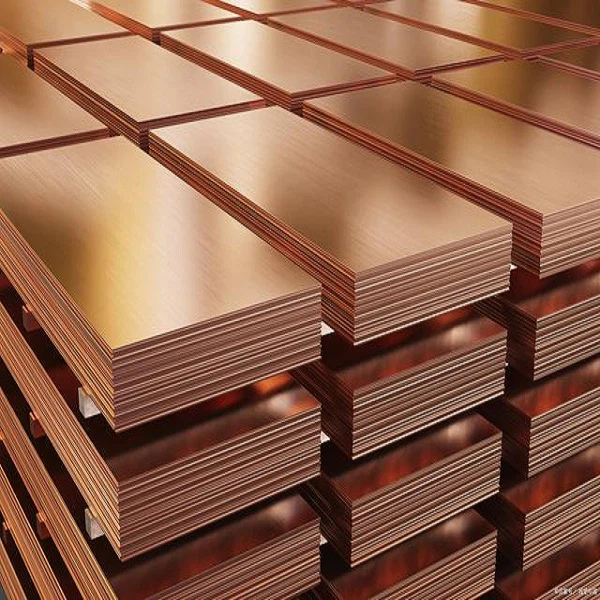
So, can you use MCB copper bars in DC circuits? Well, the answer is yes, but with some caveats. If you're considering using MCB copper bars in a DC circuit, you need to carefully evaluate your specific application.

Consult an Expert
First and foremost, it's a good idea to consult an electrical engineer or an expert in the field. They can help you determine if the MCB copper bars are suitable for your DC application and advise you on the proper installation and safety measures.
Check the Ratings
Make sure that the MCB copper bars you choose are rated for the DC voltage, current, and other requirements of your circuit. Don't assume that an AC - rated MCB copper bar will work just fine in a DC circuit.
Consider Arc - Suppression
If arc suppression is a concern, look for MCB copper bars that are designed with features to handle DC arcs. There are specialized circuit breakers and components available that can help in this regard.
Contact for Purchase and Consultation
If you're in the market for high - quality MCB copper bars or need more information about using them in DC circuits, I'm here to help. Whether you're working on a small DIY project or a large - scale industrial application, I can provide you with the right products and advice. Don't hesitate to reach out for a consultation and to discuss your procurement needs.