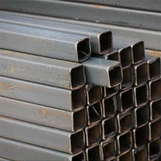
What is Hot Rolled Square Tube
Hot rolled square tube is a tubular shaped pipe of hot rolled mild steel. Hot rolled steel is formed through a metal rolling process where the steel is pressed at temperatures above the its recrystallization threshold. This makes the steel easier to form, and results in products that are easier to work with.
Benefits of Hot Rolled Square Tube
High dimensional accuracy: Hot rolling process produces tubes with uniform dimensions and thickness.
Superior surface finish: The surface finish is smooth and has fewer defects.
Excellent mechanical properties: Hot rolled square tube have high strength, durability, and toughness.
Greater strength and durability: The manufacturing process of the tubes results in a denser and stronger metal structure.
Uniformity in shape and size: The hot rolling process produces tubes that are consistent in shape and size.

Ground photovoltaic brackets, also known as ground-mounted solar panel systems, are structures designed to support and secure solar panels on the ground. These brackets provide a stable foundation for solar panels, allowing them to efficiently harness sunlight and convert it into usable electricity.
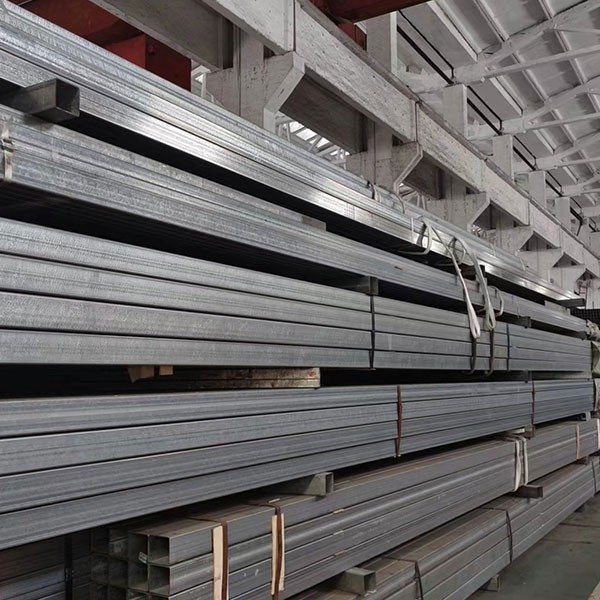
A rectangular square tube is a type of hollow structural section (HSS) that has a rectangular shape with equal sides. It is commonly used in construction, engineering, and manufacturing industries for various applications. The tube is formed by bending or rolling a flat metal sheet into a rectangular shape, and then the edges are welded together to create a seamless tube.

Rectangular Pipe Square Tubing
Rectangular pipe square tubing is a type of hollow structural section (HSS) that is commonly used in construction, manufacturing, and various other applications. It is made from steel and has a rectangular cross-section, with equal sides forming a square shape.

Rectangular steel tubing is a type of hollow structural steel that is shaped like a rectangle. It is widely used in construction, manufacturing, and various other industries due to its strength, durability, and versatility.

Mild steel hollow sections, also known as structural steel tubes or HSS (Hollow Structural Sections), are a popular choice in construction and engineering applications. These sections are made from low carbon steel, which is known for its strength, durability, and versatility.
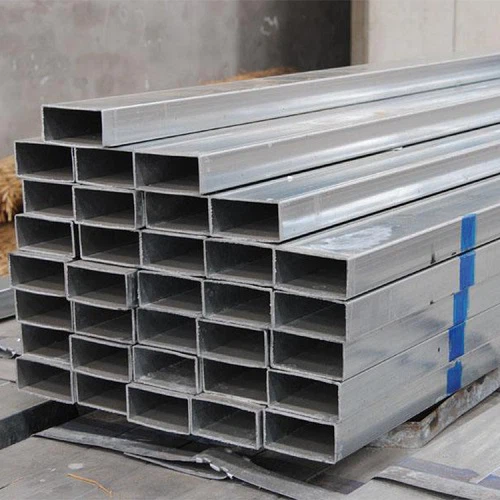
Galvanized rectangular tube is a popular type of steel tubing that has been coated with a layer of zinc. This process, known as galvanization, helps to protect the steel from corrosion and other forms of damage.
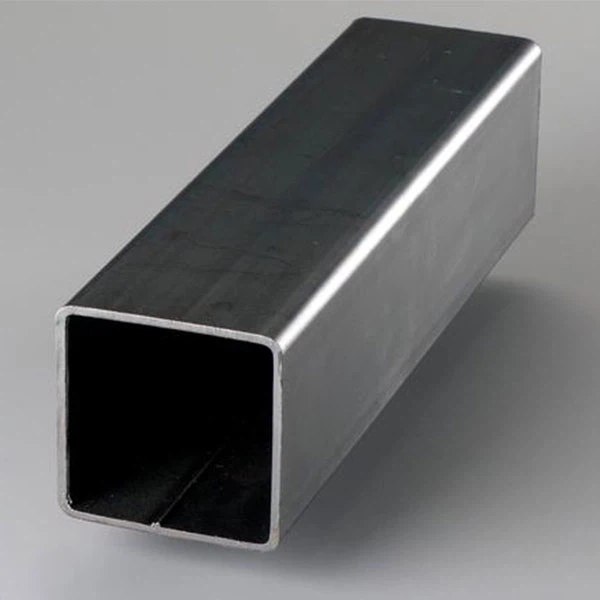
Structural steel square tube is an essential building material that has been widely used in construction projects. It is a versatile, durable, and cost-effective solution for many applications, making it attractive for builders and architects alike.
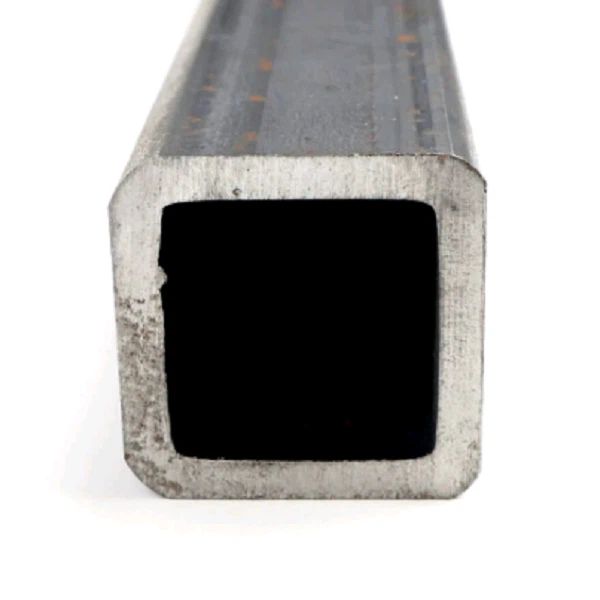
A cold rolled square tube is a type of hollow structural section (HSS) that is formed by rolling a steel strip through a series of rollers at room temperature. This process helps to improve the dimensional accuracy, surface finish, and mechanical properties of the tube.

A hollow square steel tube, also known as a square hollow section (SHS), is a type of structural steel tubing with a square cross-section and hollow interior. It is commonly used in various applications where strength, durability, and resistance to bending or torsion are required.
Why Choose us
Quality Assurance
In 2020, the company passed SGS audit and obtained ISO 9001 quality management system certification, with an annual production capacity of 6GW.
Quality services
Our team is committed to delivering high-quality services to our clients. We use the latest technologies and tools to ensure that our services exceed your expectations.
Experience and expertise
Our company has been in business for many years and has amassed significant expertise and experience to provide quality services to our clients.
The Differences Between Hot Rolled Square Tube and Cold Rolled Steel
Hot Rolled Square Tube
Hot rolled square tube refers to a mill process in which you roll the steel at a temperature above its recrystallization temperature; a heat that typically exceeds 1000° F.
When steel is heated past its recrystallization point, it becomes more malleable and can be properly formed and shaped. It also allows for the ability to produce larger quantities of steel. The steel is then cooled at room temperature, which "normalizes" it, eliminating the worry for stresses in the material arising when quenching or work-hardening.
When the steel cools off, it will shrink non-uniformly, which gives slightly less control on the overall size and shape of a finished hot-rolled product.
Hot rolled square tube typically has a scaly surface finish. For situations in which the appearance of the material is a concern, the scales can be removed by several techniques: pickling, grinding, or sand-blasting.
These properties make hot rolled square tube most suitable for structural components and other applications where incredibly precise shapes and tolerances are of less importance, such as:
Railroad tracks
I-beams
Agricultural equipment
Sheet metal
Automotive frames
Cold-Rolled Steel
As you might suspect, the manufacturing process behind cold-rolled steel is a bit different. Despite the name, this process refers to steel that is pressed with the pressure of a roller at room temperature.
Compared to hot rolled square tube, cold-rolled steel has a nearly 20% increase in strength through the use of strain hardening. It's through a series of breakdown, semi-finishing, sizing, semi-roughing, roughing, and finishing that cold-rolled steel shapes can be created.
Cold-rolling steel allows for the creation of very precise shapes. Since the process is performed at room temperature, the steel will not shrink as it cools, as it does in the hot-rolled process.
The exterior finish of cold-rolled steel is very desirable when aesthetics and visual appeal are a priority in your project.
However, the applications of cold-rolled steel are somewhat limited to a couple of shapes – square, round, flat, and variations thereof.
Typical uses for cold-rolled steel:
Strips
Bars
Rods
Home appliances
Roof and wall systems
Metal furniture
Aerospace structural members.
Hot Rolled Square Tube And Cold Rolled Steel. Which Do I Need?
If you require large structural components, you will most likely need the hot rolled square tube process to create the parts. For smaller parts that require more precise and durable qualities, then the cold-rolled steel process is the way to go.
Different Sectors Where Hot Rolled Square Tube Is Used
Construction
Without hot rolled square tube, it is difficult to construct a strong structure. This durable substance is used to securely hold floor panels in terms of overcoming earthquakes and blunt impacts. Steel framings are also used to reinforce the walls of the buildings. Carbon steel angles, channels, and flat bars are all used in the construction sector to reinforce foundations and endure hard circumstances.
Agricultural
Agriculture modernization cleared the path for increased yields and speedier product delivery to customers. The use of hot rolled square tube in agriculture is extensive. It is utilized in the production of tractors, which are big agricultural vehicles used for ploughing, tilling, planting, and spreading fertilizer on fields. The chassis, axles, and wheel discs of the tractors are composed of hot rolled square tube. Hot rolled square tube is also utilized to make massive grain storage for storing dry grains. These are also utilized to make the pipelines used in field irrigation.
Shipbuilding
Ships are one of the most important modes of transportation that propel the world's economy to greater heights. Ninety percent of goods are transported via the sea to reach distant destinations through gigantic containers and fleets. That is why shipbuilding requires quality materials that can withstand extreme weather or climate conditions. Hot rolled square tube have high tensile strength, are resistant to corrosion, and are lighter in weight, all ideal characteristics that can benefit marine engineering.
Railroad tracks
To build a safe and dependable train track, specialized steel of the finest and most lasting grade is required. Standard hot rolled square tube junction bars are utilized to strengthen track stability and longevity. These are strategically placed to mitigate the impact of the trains' wheels as they pass by. In rail steel, the railway industry benefits from the safety provided by hot rolled square tube since it is used in the railway brake system to slow freight carriages as they are pushed by trains.
Automotive
Hot rolled square tube sheets are used to fabricate chassis and rear components, which account for around 25% of a car's overall weight. Because these components are made of rather thick sheets, significant weight reductions are expected. Because safety is a primary issue for the chassis, excellent strength and durability, as well as superior press formability to their complex geometries, is essential. This appears to be the reason why hot rolled square tube sheets are required.
How To Correctly Measure Hot Rolled Square Tube Size?
There are two methods for measuring the size of hot rolled square tube: outer diameter measurement and wall thickness measurement.
1. Outer diameter measurement
Use a caliper or compass to measure the outer diameter of the square tube. It should be fixed at a certain position for measurement. For example, the square tube can be clamped in a clamp to ensure the accuracy of the measurement results. The unit of outer diameter measurement is usually millimeters or inches. Measurement should be carried out strictly in accordance with the standards to avoid errors.
2. Wall thickness measurement
Wall thickness measurement is usually measured using a thickness gauge. The thickness gauge needle is placed on both sides of the square tube to measure the thickness, usually in millimeters or inches.
1. Use calipers to measure
The commonly used tool for measuring hot rolled square tube is calipers. First, you need to open the caliper, place the square tube on the scale between the calipers, and then read the value of the caliper to get the diameter of the square tube. It should be noted that when measuring, you need to ensure that the angle between the caliper and the square tube is 90 degrees, otherwise it may cause measurement errors.
2. Use a protractor to measure
Another method is to use a protractor to take measurements. First, you need to place the protractor at the end of the square tube, turn the pointer to a position tangent to the square tube, and then read the scale of the protractor to get the diameter of the square tube. This method can be more accurate when measuring irregularly shaped hot rolled square tube, but care needs to be taken to ensure the stability and accuracy of the instrument.
When measuring the size of hot rolled square tube, you need to pay attention to the following points:
1. Before measuring, the measuring tool needs to be calibrated to ensure the accuracy of the measurement results.
2. When measuring the outer diameter of a square tube, the surface of the square tube needs to be cleaned to prevent dirt and oxide layers from affecting the measurement results.
3. When measuring the wall thickness, it is necessary to measure once on both sides of the square tube and take the average value as the wall thickness measurement result to avoid the uneven wall thickness of the square tube affecting the measurement results.
4. When purchasing hot rolled square tube, you need to select appropriate specifications based on actual usage scenarios and requirements, and choose hot rolled square tube with good quality, accurate dimensions, and smooth surfaces to ensure usage effects and service life.
The standard size of square pipe is usually called the specification, which represents the outer diameter size, wall thickness size and length of the square pipe. Square tube specifications are usually expressed as "outer diameter × wall thickness × length", such as 40 × 40 × 2.5mm × 6m.
Hot rolled square tube of different sizes are suitable for different occasions. Choosing appropriate specifications can greatly improve the use effect and life of the square tube.

Wuxi GRT Technology Co., LTD is an import and export company specializing in gold product technology development and services. We have already cooperated with companies from the United States, Russia, Italy, Germany and other countries. Our strategy is to serve more companies in multiple countries.
Founded in 2019, the total area is about 45,000 square meters, and the production area is about25, 000 square meters. Is a solar photovoltaic fixed and tracking bracket manufacturer integratingdesign, development, production, sales and service. We have 3 investment factories and 2 R&D centers in China. It has approximately 500 employees.
Products Description
Hot Tags: hot rolled square tube, China hot rolled square tube manufacturers, suppliers, factory, , battery terminal components