Yes, square tubes are highly suitable for construction, offering a combination of structural strength, design flexibility, and cost-effectiveness. They are widely used in frameworks, supports, and decorative elements across residential, commercial, and industrial projects. Below is a detailed analysis of their suitability, applications, and key considerations:
1. Advantages of Square Tubes in Construction
A. Structural Strength & Stability
Uniform Load Distribution: Square cross-sections resist bending and torsion more effectively than round tubes in certain orientations, making them ideal for load-bearing frameworks (e.g., roof trusses, scaffolding).
High Strength-to-Weight Ratio: Carbon steel square tubes (e.g., Q235B, Q355B) provide significant strength with minimal material use, reducing structural weight and foundation costs.
Customizable Thickness: Wall thickness (e.g., 2mm–6mm) can be adjusted to meet specific load requirements, from light-duty partitions to heavy-duty beams.
B. Design Flexibility
Aesthetic Appeal: Clean lines and right angles simplify connections and create modern, geometric designs for facades, railings, and canopies.
Ease of Fabrication: Square tubes are easier to cut, weld, and drill compared to round tubes, reducing labor costs and construction time.
Modular Construction: Standardized sizes (e.g., 40×40mm, 60×60mm) enable prefabrication and rapid assembly of modular structures like temporary buildings or exhibition stands.
C. Cost-Effectiveness
Material Efficiency: Less waste during cutting compared to I-beams or angles.
Lower Transportation Costs: Hollow design reduces weight versus solid bars, cutting shipping expenses.
Longevity: When treated (e.g., galvanized, painted), square tubes resist corrosion, minimizing maintenance and replacement costs over a building's lifespan.
2. Common Construction Applications
| Application | Example Use Case | Recommended Material & Size |
|---|---|---|
| Structural Framework | Roof trusses, mezzanine floors, scaffolding | Q355B carbon steel, 60×60×3mm–80×80×4mm |
| Architectural Elements | Facades, canopies, decorative screens | Aluminum 6063-T5 (anodized/powder-coated), 40×40×2mm |
| Fencing & Railings | Balcony guards, staircase handrails | Stainless steel 304/316L, 25×25×1.5mm–50×50×2mm |
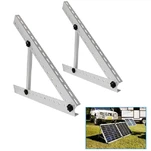
| Support Structures | Solar panel mounts, equipment stands | Hot-dip galvanized Q235B, 40×40×2mm–60×60×3mm |
| Temporary Structures | Construction site offices, event tents | Lightweight aluminum, 50×50×2mm–80×80×3mm |
3. Material Selection Guide
A. Carbon Steel (Q235B, Q355B)
Best For: Load-bearing structures in dry or moderately humid environments.
Treatment: Hot-dip galvanizing (for outdoor use) or paint coating (for indoor use).
Cost: Low to moderate (e.g., 500–1,200/ton for Q235B).
B. Stainless Steel (304, 316L)
Best For: Coastal, chemical, or food-processing facilities where corrosion resistance is critical.
Grade Choice:
304: General outdoor use.
316L: Marine environments (salt spray resistance).
Cost: High (e.g., 2,500–4,000/ton for 316L).
C. Aluminum Alloy (6061, 6063)
Best For: Lightweight, non-corrosive applications (e.g., canopies, interior partitions).
Treatment: Anodizing (for durability) or powder coating (for color options).
Cost: Moderate to high (e.g., 2,800–3,500/ton for 6063-T5).
4. Critical Design Considerations
A. Load-Bearing Capacity
Calculate Deflection: Use engineering software (e.g., STAAD.Pro) to ensure tubes won't sag under load.
Example: A 60×60×3mm Q355B tube can span 4m with a point load of 500kg without excessive deflection.
B. Connection Methods
Welding: Strongest but requires skilled labor; suitable for permanent structures.
Bolting/Clamping: Faster assembly; ideal for modular or temporary builds.
Bracing: Add diagonal members to enhance stability in tall or wide frameworks.
C. Environmental Factors
Corrosion: In coastal areas, avoid carbon steel unless galvanized or painted; opt for stainless steel or aluminum.
Fire Resistance: Carbon steel retains strength at high temperatures (up to 500°C), while aluminum melts at ~660°C (use fire-resistant coatings if needed).
5. Industry Case Studies
Singapore's Marina Bay Sands SkyPark: Used 100×100×6mm stainless steel square tubes for its iconic cantilevered structure, resisting wind loads and corrosion in a tropical climate.
IKEA's Modular Stores: Employ aluminum square tubes (60×60×3mm) for interior partitions, enabling quick reconfiguration during renovations.
Dubai's Solar Park: Constructed with hot-dip galvanized Q355B square tubes (80×80×4mm) for solar panel support frames, withstanding sandstorms and extreme heat.
Conclusion
Square tubes are ideal for construction when:
The application requires a balance of strength, weight, and cost (e.g., frameworks, railings).
The design calls for clean lines or modular assembly (e.g., facades, temporary structures).
The environment is accounted for (e.g., galvanized steel for humidity, stainless steel for salt spray).
For optimal results, collaborate with a structural engineer to select the right material, size, and connection method for your project. Carbon steel square tubes are the most versatile and cost-effective choice for most applications, while stainless steel or aluminum excel in specialized or high-corrosion environments.