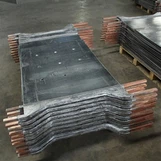
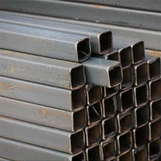
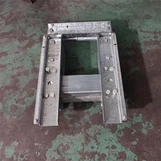
Hey there! As a supplier of solar mounting L-brackets, I often get asked about the weight capacity of these brackets. It's a crucial question, especially for those looking to install solar panels. In this blog, I'll break down what the weight capacity of a typical solar mounting L-bracket is, and why it matters.
Understanding Solar Mounting L-Brackets
First off, let's talk a bit about what solar mounting L-brackets are. These brackets are essential components in solar panel installations. They're shaped like an "L" and are used to secure solar panels to various surfaces, like rooftops or ground mounts. You can check out more about Rooftop Photovoltaic Bracket on our website.
The design of L-brackets allows for easy installation and provides a stable base for the solar panels. They come in different sizes and materials, which can affect their weight capacity.
Factors Affecting Weight Capacity
There are several factors that determine the weight capacity of a solar mounting L-bracket.
Material
The material of the bracket is a major factor. Most L-brackets are made from aluminum or steel. Aluminum brackets are lightweight, corrosion-resistant, and have a decent weight capacity. They're a popular choice for rooftop installations because they won't add too much extra weight to the structure. On the other hand, steel brackets are stronger and can handle more weight. They're often used in large-scale ground-mounted solar projects. You can explore our Solar Mount Brackets to see the different materials we offer.
Size and Thickness
The size and thickness of the bracket also play a role. A larger and thicker bracket will generally have a higher weight capacity. This is because it has more surface area and material to distribute the weight of the solar panels evenly. When choosing a bracket, it's important to consider the size and weight of the solar panels you'll be using.
Installation Method
How the bracket is installed can affect its weight capacity. If it's installed correctly, following the manufacturer's instructions, it will be able to support the weight of the solar panels more effectively. For example, using the right screws and ensuring a tight fit can make a big difference.
Typical Weight Capacity
So, what's the weight capacity of a typical solar mounting L-bracket? Well, it can vary widely depending on the factors we just discussed.
For aluminum L-brackets, a common weight capacity might range from 50 to 150 pounds per bracket. This is usually sufficient for most residential rooftop solar installations. These brackets can support the weight of standard-sized solar panels without any issues.
Steel L-brackets, on the other hand, can have a much higher weight capacity. They can often support 200 pounds or more per bracket. This makes them suitable for commercial and large-scale solar projects where heavier panels or more panels are being installed. You can find more details about Solar Photovoltaic Bracket and their weight capacities on our website.
Importance of Weight Capacity
Understanding the weight capacity of solar mounting L-brackets is crucial for a few reasons.
Safety
Safety is the most important factor. If the brackets can't support the weight of the solar panels, it could lead to the panels falling or becoming unstable. This not only damages the panels but can also pose a danger to people and property below.
Longevity
Using brackets with the appropriate weight capacity ensures the longevity of the solar panel installation. If the brackets are overloaded, they may bend or break over time, which can cause the panels to shift and lose efficiency.
Performance
Properly supported solar panels will perform better. When the panels are stable, they can capture sunlight more effectively, leading to higher energy production.
How to Determine the Right Bracket for Your Project
When planning a solar panel installation, it's important to choose the right L-brackets with the appropriate weight capacity.
Calculate the Weight of the Panels
First, calculate the total weight of the solar panels you'll be using. This includes the weight of the panels themselves, as well as any additional components like frames and wiring.
Consider the Installation Location
Think about where the panels will be installed. If it's a rooftop, you need to consider the weight-bearing capacity of the roof. If it's a ground mount, you need to ensure the brackets can handle the weight and any external forces like wind or snow.
Consult with an Expert
If you're not sure which brackets to choose, it's a good idea to consult with an expert. Our team at [company website] can help you determine the right brackets for your project based on your specific needs.
Conclusion
In conclusion, the weight capacity of a typical solar mounting L-bracket depends on several factors, including the material, size, and installation method. It's important to choose brackets with the appropriate weight capacity to ensure the safety, longevity, and performance of your solar panel installation.
If you're in the market for solar mounting L-brackets, we're here to help. We offer a wide range of brackets with different weight capacities to suit your needs. Whether you're working on a small residential project or a large commercial installation, we've got you covered. Contact us today to start discussing your solar mounting needs and let's get your project off the ground!


References
- Solar Energy Industries Association (SEIA)
- International Renewable Energy Agency (IRENA)