What is the Temperature Resistance of Purlins?
As a purlin supplier, I often get asked about the temperature resistance of purlins. Purlins play a crucial role in various construction and solar panel mounting applications, and understanding their temperature resistance is essential for ensuring the long - term performance and durability of the structures they support.
Understanding Purlins
Purlins are horizontal beams that are used to support the roof covering or the cladding of a building. They are typically made from different materials, such as steel, aluminum, or wood. In the context of solar panel installations, purlins are used to create a stable structure for mounting solar panels.
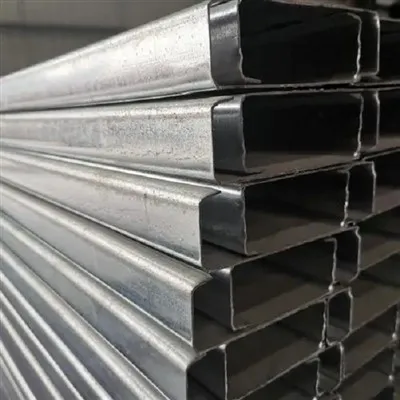
There are different types of purlins available in the market. For example, l shaped steel angles are often used due to their simplicity and cost - effectiveness. These angles can provide good support for light - to medium - load applications. Another popular type is the C - shaped Steel Purlin, which offers higher strength and better load - bearing capacity compared to some other types. The C - Purlin Solar Structure is specifically designed for solar panel installations, taking into account the unique requirements of solar arrays.
Factors Affecting Temperature Resistance
-
Material Composition
- Steel Purlins: Steel is a commonly used material for purlins. The temperature resistance of steel purlins depends on the type of steel and its alloying elements. For example, carbon steel can withstand relatively high temperatures, but it may start to lose its strength at elevated temperatures. At around 500 - 600°C, the strength of carbon steel can significantly decrease. However, stainless steel purlins, which contain chromium and other alloying elements, have better heat resistance. They can maintain their mechanical properties at higher temperatures, making them suitable for applications where high - temperature exposure is a concern.
- Aluminum Purlins: Aluminum has a lower melting point compared to steel, around 660°C. But it has good thermal conductivity, which means it can dissipate heat quickly. Aluminum purlins are often used in applications where weight is a critical factor, such as in some lightweight building structures or solar panel mounts. However, they may not be as suitable for extremely high - temperature environments.
- Wood Purlins: Wood has a relatively low temperature resistance. It can start to char at around 200 - 300°C. In addition, wood is more susceptible to fire damage compared to steel and aluminum. However, treated wood can have improved fire - resistance properties.
-
Coating and Finishes
- Coating the purlins can enhance their temperature resistance. For example, a heat - resistant paint or coating can act as a barrier, protecting the purlin material from direct heat exposure. Some coatings are designed to reflect heat, reducing the amount of heat absorbed by the purlin. This can help to maintain the structural integrity of the purlin at higher temperatures.
-
Environmental Conditions
- The local climate and environmental conditions also play a significant role in determining the temperature resistance requirements of purlins. In regions with hot summers, purlins need to be able to withstand high ambient temperatures without significant deformation or loss of strength. On the other hand, in cold regions, purlins should be able to resist the effects of freezing temperatures, such as brittleness.
Temperature Resistance in Different Applications
-
Building Construction
- In traditional building construction, purlins are used to support the roof. In hot climates, the purlins need to be able to withstand the heat from the sun, which can cause the temperature of the roof to rise significantly. For example, in desert regions, the surface temperature of the roof can reach 60 - 70°C during the day. Steel or aluminum purlins are often preferred in these areas due to their relatively better temperature resistance compared to wood.
- In cold climates, purlins need to be able to withstand freezing temperatures. Cold temperatures can make the material more brittle, increasing the risk of cracking or failure. Special attention needs to be paid to the material selection and design of the purlins to ensure they can handle the cold - weather conditions.
-
Solar Panel Installations
- Solar panels generate heat during operation, and the purlins that support them need to be able to withstand this additional heat. The temperature of the solar panels can reach up to 80 - 90°C under direct sunlight. The purlins in solar panel mounts should be able to maintain their strength and stability at these elevated temperatures. C - shaped steel purlins are often used in solar panel installations because of their good load - bearing capacity and relatively high temperature resistance.
Testing and Standards
To ensure the temperature resistance of purlins, various testing methods are used. These include laboratory tests where the purlins are subjected to different temperature conditions to measure their mechanical properties, such as strength and deformation. There are also industry standards that specify the temperature resistance requirements for purlins. For example, some standards may require that purlins maintain a certain percentage of their original strength at a specific high temperature.
Importance of Temperature Resistance
The temperature resistance of purlins is crucial for the safety and longevity of the structures they support. If the purlins cannot withstand the temperature variations in the environment, they may deform, crack, or lose their load - bearing capacity. This can lead to structural failures, which can be dangerous and costly to repair.
In the case of solar panel installations, poor temperature resistance of purlins can result in misalignment of the solar panels, reducing their efficiency and potentially causing damage to the panels themselves.
Conclusion
As a purlin supplier, I understand the importance of providing purlins with appropriate temperature resistance for different applications. Whether it's for building construction or solar panel installations, the right choice of purlin material, coating, and design can ensure the long - term performance and durability of the structures.


If you are in the market for high - quality purlins with excellent temperature resistance, I encourage you to reach out for a procurement discussion. We can help you select the most suitable purlins for your specific needs, taking into account the temperature conditions and other factors of your project.
References
- "Structural Steel Design" by Jack C. McCormac
- "Aluminum Structures: Design and Behavior" by Jack M. Holcomb
- Industry standards related to purlin design and temperature resistance