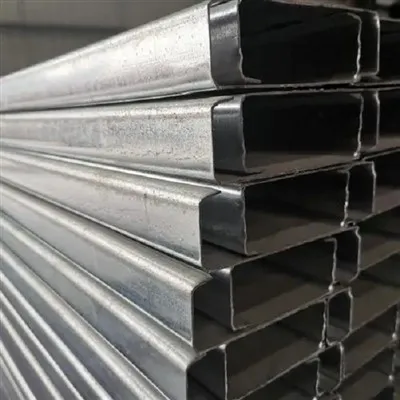
What is the seismic performance of Z - shaped steel purlin?
As a supplier of Z - shaped steel purlins, I have seen firsthand the importance of understanding the seismic performance of these structural components. Z - shaped steel purlins are widely used in building construction, especially in roofing and wall systems. Their unique shape provides certain advantages in load - bearing and structural stability, but how do they perform under seismic conditions?
Seismic Forces and Structural Response
Seismic activity generates a complex set of forces that can act on a building. The main forces during an earthquake are horizontal and vertical ground motions. These motions can cause the building to vibrate, twist, and experience shear and tensile forces. A structure's ability to withstand these forces depends on several factors, including its design, the materials used, and the quality of construction.
In the case of Z - shaped steel purlins, their seismic performance is closely related to their geometric properties and material characteristics. The Z - shape is designed to provide efficient load transfer. When compared to other common purlin shapes like the C - shaped Steel Purlin, the Z - shaped purlin has a more continuous and efficient load - path mechanism. This is because the overlapping of Z - shaped purlins at the supports allows for a better distribution of forces along the length of the purlin system.
Material Properties and Seismic Resistance
The steel used in Z - shaped purlins is typically a high - strength alloy. High - strength steel can withstand large amounts of stress before yielding. During an earthquake, the ability of the purlin to resist deformation and maintain its structural integrity is crucial. The ductility of the steel is also an important factor. Ductility allows the purlin to absorb energy by deforming plastically without fracturing.
This energy absorption is a key mechanism in seismic design. When a building is subjected to seismic forces, the structural components need to dissipate the energy rather than transferring it all to the foundation. A Z - shaped steel purlin can act as an energy - dissipating element in the building envelope. By undergoing controlled plastic deformation, it can reduce the impact of seismic forces on the overall structure.
Connection Details and Seismic Performance
The connections between Z - shaped steel purlins and other structural elements play a vital role in their seismic performance. Properly designed connections ensure that the purlins can transfer forces effectively to the supporting structure, such as the columns and beams. Welded connections, for example, can provide strong and rigid joints, but they need to be designed and executed with high precision.
Bolted connections are also commonly used. They offer some advantages in terms of ease of installation and adjustment. However, in seismic - prone areas, the design of bolted connections needs to account for the potential for movement and vibration. The bolts should be of sufficient strength and the connection plates should be properly sized to resist shear and tensile forces during an earthquake.


Seismic Design Considerations for Z - Shaped Steel Purlins
When designing a building with Z - shaped steel purlins in a seismic - active region, several factors need to be considered. First, the seismic zone classification of the building site is essential. Different seismic zones have different design requirements based on the expected intensity of seismic activity.
The spacing of the purlins also affects their seismic performance. Closer purlin spacing can increase the overall stiffness of the roofing or wall system, which may reduce the amplitude of vibration during an earthquake. However, it also increases the cost and the weight of the structure. Therefore, a balance needs to be struck between cost - effectiveness and seismic resistance.
Another important consideration is the interaction between the Z - shaped purlins and the roofing or wall cladding. The cladding can provide additional stiffness and lateral support to the purlins. In seismic design, the connection between the cladding and the purlins should be designed to ensure that they work together effectively to resist seismic forces.
Applications of Z - Shaped Steel Purlins in Seismic - Prone Areas
Despite the challenges of seismic design, Z - shaped steel purlins are still widely used in seismic - prone regions. In industrial buildings, for example, the relatively lightweight and easy - to - install nature of Z - shaped purlins make them an attractive choice. They can be used in combination with High Quality Solar Bracket systems on the roofs of industrial facilities.
In residential construction, Z - shaped steel purlins can be used in roof truss systems. Their ability to provide efficient load - bearing and energy absorption can contribute to the safety of the building during an earthquake. Moreover, for solar energy projects in seismic areas, Flat Single Axis Sunlight Tracking Bracket systems that incorporate Z - shaped purlins can be designed to withstand seismic forces while maximizing solar energy capture.
Quality Control and Assurance
As a supplier of Z - shaped steel purlins, quality control is of utmost importance in ensuring good seismic performance. From the selection of raw materials to the manufacturing process and final inspection, every step needs to be carefully monitored. The steel should meet the required strength and ductility standards.
The manufacturing process, including cold - forming and welding, should be carried out with strict quality control measures. Any defects in the purlins, such as cracks or improper bends, can significantly reduce their seismic resistance. After production, the purlins should be inspected for dimensional accuracy, surface finish, and material integrity.
Conclusion
In conclusion, the seismic performance of Z - shaped steel purlins is a complex topic that depends on multiple factors, including material properties, geometric design, connection details, and seismic design considerations. When properly designed, fabricated, and installed, Z - shaped steel purlins can provide effective seismic resistance in a variety of building applications.
If you are involved in a construction project in a seismic - prone area and are considering using Z - shaped steel purlins, I encourage you to reach out for more information. We are here to provide you with high - quality Z - shaped steel purlins and professional advice on seismic design. Contact us for procurement and let's discuss how we can meet your specific project requirements.