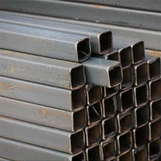
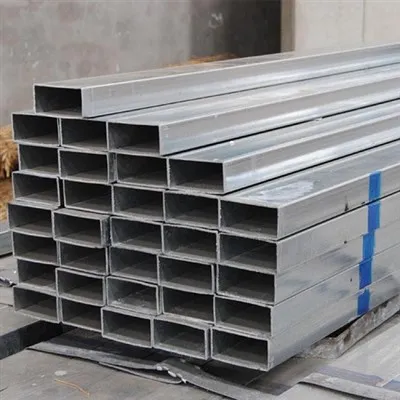
Hey there! As a supplier of C-shaped steel purlins, I often get asked about the load-bearing capacity of these nifty little structures. So, I thought I'd take a few minutes to break it down for you.
First off, let's talk about what C-shaped steel purlins are. They're basically long, thin pieces of steel that are shaped like the letter "C." They're commonly used in construction, especially in roofing and wall systems, to support the weight of the roof or wall panels. They're super versatile and can be used in a variety of applications, from residential homes to large commercial buildings.
Now, onto the big question: what's the load-bearing capacity of C-shaped steel purlins? Well, it's not a one-size-fits-all answer. The load-bearing capacity of a C-shaped steel purlin depends on a few different factors, including the size and thickness of the purlin, the type of steel it's made from, and the spacing between the purlins.


Let's start with size and thickness. Generally speaking, the larger and thicker the purlin, the higher its load-bearing capacity. This is because a larger and thicker purlin can distribute the weight of the load more evenly, reducing the stress on any one point. For example, a 6-inch deep C-shaped steel purlin with a thickness of 0.06 inches will have a lower load-bearing capacity than an 8-inch deep purlin with a thickness of 0.12 inches.
The type of steel also plays a big role in determining the load-bearing capacity. Different types of steel have different strengths and properties, so it's important to choose the right one for your application. For most construction projects, high-strength steel is the way to go. This type of steel can withstand more stress and has a higher yield strength, which means it can support more weight before it starts to deform.
Another important factor is the spacing between the purlins. The closer the purlins are together, the more weight they can support. This is because the load is distributed over a larger number of purlins, reducing the stress on each individual purlin. However, there's a balance to be struck here. If the purlins are too close together, it can increase the cost of the project and make installation more difficult. On the other hand, if the purlins are too far apart, they may not be able to support the weight of the load, which can lead to structural failure.
So, how do you determine the right size, thickness, and spacing for your C-shaped steel purlins? Well, it's always a good idea to consult with a structural engineer. They can take into account all the factors mentioned above, as well as the specific requirements of your project, to design a purlin system that meets your needs.
In addition to the factors mentioned above, there are a few other things to keep in mind when it comes to the load-bearing capacity of C-shaped steel purlins. For example, the way the purlins are installed can also affect their load-bearing capacity. If the purlins are not installed correctly, they may not be able to support the weight of the load, even if they're the right size and thickness. It's important to follow the manufacturer's installation instructions carefully and to use the right hardware and fasteners.
Another thing to consider is the environment in which the purlins will be used. If the purlins are exposed to harsh weather conditions, such as high winds, heavy snow, or extreme temperatures, they may need to be designed to withstand these conditions. For example, in areas with high winds, the purlins may need to be braced or anchored to prevent them from being blown off the roof.
Now, let's compare C-shaped steel purlins to some other types of purlins. One popular alternative is Z-shaped Steel Purlin. Z-shaped steel purlins are similar to C-shaped purlins, but they have a different shape. They're often used in applications where a higher load-bearing capacity is required, such as in large commercial buildings. Another option is U-shaped Steel Purlins. U-shaped steel purlins are typically used in applications where a more open design is desired, such as in industrial buildings.
So, why choose C-shaped steel purlins? Well, there are a few reasons. First of all, they're relatively easy to install. They can be cut to length on-site and can be attached to the structure using simple fasteners. This makes them a popular choice for DIYers and professional contractors alike. Second, they're cost-effective. C-shaped steel purlins are generally less expensive than other types of purlins, which can help to keep the cost of your project down. Finally, they're versatile. As I mentioned earlier, they can be used in a variety of applications, from residential homes to large commercial buildings.
If you're in the market for C-shaped steel purlins, I'd love to help. As a supplier, I have a wide range of sizes and thicknesses available, and I can work with you to find the right purlin system for your project. Whether you're building a new home, a commercial building, or a solar panel installation, I can provide you with high-quality C-shaped steel purlins at a competitive price.
So, if you're interested in learning more about our C-shaped steel purlins or if you have any questions about load-bearing capacity or installation, please don't hesitate to get in touch. You can visit our website C-shaped Steel Purlin to learn more about our products and services. We're here to help you make your project a success!
References
- "Steel Construction Manual," American Institute of Steel Construction
- "Cold-Formed Steel Design Manual," American Iron and Steel Institute
- Various industry publications and research studies on steel purlin design and load-bearing capacity.