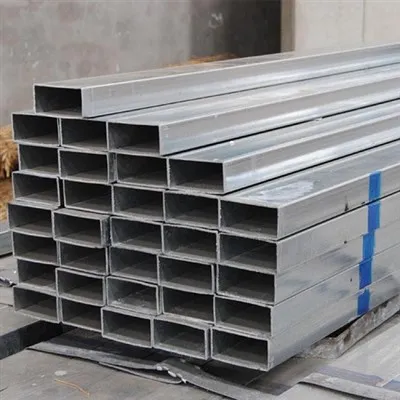
Hey there! As a square tube supplier, I often get asked about the load - bearing capacity of square tubes. It's a super important topic, especially for those who are in construction, manufacturing, or any field that involves using square tubes. So, let's dive right in and explore what determines the load - bearing capacity of a square tube.
What Affects the Load - Bearing Capacity of a Square Tube?
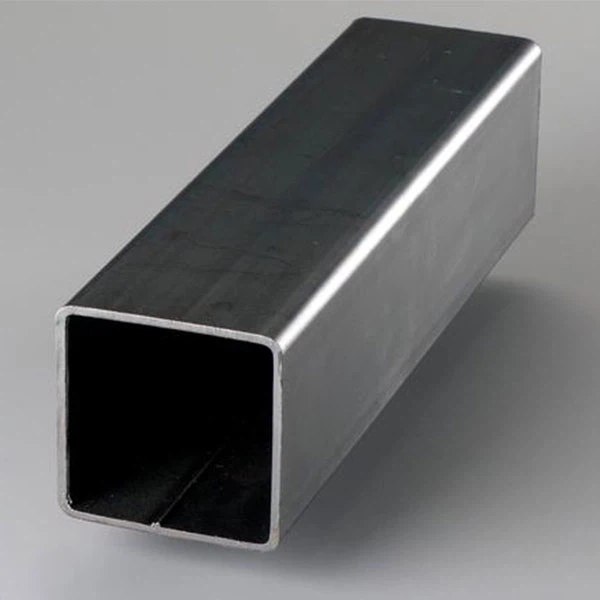
First off, the material of the square tube plays a huge role. Different materials have different mechanical properties. For example, steel square tubes are very popular because of their high strength. Steel has a great ability to withstand heavy loads without deforming easily. We offer Structural Steel Square Tube, which is made from high - quality steel and is designed to handle significant loads.
The thickness of the tube wall is another crucial factor. A thicker - walled square tube can generally bear more weight than a thinner - walled one. This is because the extra material provides more resistance to bending and buckling. When you're choosing a square tube, you need to consider the specific load requirements of your project. If you're building a heavy - duty structure, a thicker - walled tube is probably the way to go.
The size of the square tube also matters. Larger square tubes usually have a higher load - bearing capacity. However, it's not just about the overall size. The ratio of the side length to the wall thickness is also important. A tube with a more favorable ratio will be more efficient at carrying loads.
Calculating the Load - Bearing Capacity
Calculating the load - bearing capacity of a square tube isn't a one - size - fits - all thing. It involves some complex engineering calculations. You need to take into account factors like the material's yield strength, the geometry of the tube, and the type of load (whether it's a static load or a dynamic load).
For static loads, which are loads that don't change over time, the calculation is relatively straightforward. You can use formulas based on the material's properties and the tube's dimensions. But for dynamic loads, like those caused by vibrations or moving objects, the calculation gets a lot more complicated. You might need to consult an engineer or use specialized software to get an accurate estimate.
Different Types of Square Tubes and Their Load - Bearing Capacities
We offer a variety of square tubes, each with its own load - bearing characteristics. Hot Rolled Square Tube is one of our popular products. Hot - rolled tubes are known for their good ductility and strength. They are often used in applications where the tube needs to be bent or formed. The load - bearing capacity of hot - rolled square tubes can vary depending on the specific grade of steel and the wall thickness.
Another type is the Rectangular Pipe Square Tubing. Although it's called square tubing, it can have rectangular cross - sections as well. Rectangular tubes can be a great choice when you need to optimize the use of space or when the load is applied in a specific direction. Their load - bearing capacity is also influenced by the same factors as square tubes, such as material, wall thickness, and size.
Real - World Applications
Square tubes are used in a wide range of applications. In construction, they are used for building frames, support structures, and even in the creation of decorative elements. For example, in a high - rise building, square tubes can be used as columns to support the weight of the upper floors. In the manufacturing industry, square tubes are used in the production of machinery and equipment.
In the transportation industry, square tubes are used in the construction of trailers and trucks. They need to be able to withstand the weight of the cargo and the forces generated during movement. The load - bearing capacity of the square tubes used in these applications is critical to ensure the safety and reliability of the vehicles.
How to Choose the Right Square Tube for Your Project
When you're choosing a square tube for your project, you need to consider several things. First, determine the maximum load that the tube will need to carry. This will help you decide on the appropriate material, wall thickness, and size. If you're not sure, it's always a good idea to consult with an engineer or an expert in the field.
You also need to think about the environmental conditions. If the tube will be exposed to harsh weather or corrosive substances, you'll need to choose a material that can resist corrosion, like stainless steel.
Why Choose Us as Your Square Tube Supplier
As a square tube supplier, we take pride in offering high - quality products. We have a wide range of square tubes in different materials, sizes, and wall thicknesses. Our team of experts can help you choose the right tube for your specific needs. We understand that every project is unique, and we're committed to providing customized solutions.
We also offer competitive prices and fast delivery. We know that time is of the essence in many projects, so we strive to get your order to you as quickly as possible.
If you're in the market for square tubes and want to learn more about their load - bearing capacity or need help choosing the right product for your project, don't hesitate to reach out. We're here to assist you every step of the way. Whether you're a small - scale contractor or a large - scale manufacturer, we have the square tubes you need.

So, if you're ready to start your next project and need reliable square tubes, contact us for a consultation. We'll work with you to find the best solution for your load - bearing requirements.
References
- "Structural Steel Design Handbook" by William T. Segui
- "Mechanics of Materials" by Ferdinand P. Beer, E. Russell Johnston Jr., John T. DeWolf, and David F. Mazurek