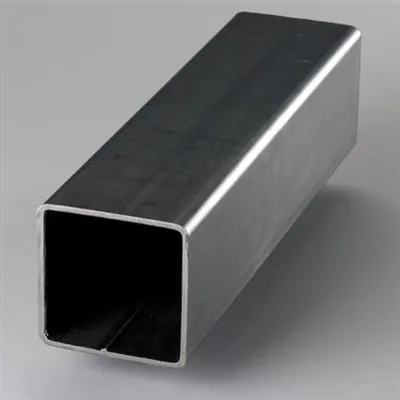
Hey there! As a busbar supplier, I often get asked about the differences between copper busbars and aluminum busbars. So, I thought I'd break it down for you in this blog post.
Let's start with the basics. Busbars are electrical conductors that distribute electrical power from a source to various components in an electrical system. They're like the highways of an electrical circuit, carrying electricity to where it needs to go. Copper and aluminum are two of the most common materials used for busbars, and each has its own set of advantages and disadvantages.
Conductivity
One of the most important factors to consider when choosing a busbar material is conductivity. Conductivity refers to a material's ability to conduct electricity. The higher the conductivity, the more efficiently electricity can flow through the material.
Copper is known for its excellent conductivity. In fact, it's one of the best conductors of electricity among all metals. This means that copper busbars can carry more electrical current with less resistance compared to aluminum busbars. Less resistance translates to less energy loss in the form of heat, which is a big plus in electrical systems.
On the other hand, aluminum has a lower conductivity than copper. However, it's still a good conductor and is often used in applications where cost is a major factor. Aluminum busbars are typically lighter and less expensive than copper busbars, making them a popular choice for large-scale electrical projects.
Cost
Cost is another important consideration when choosing between copper and aluminum busbars. As I mentioned earlier, aluminum is generally less expensive than copper. This is because aluminum is more abundant and easier to extract and process than copper.
If you're working on a tight budget, aluminum busbars might be the way to go. However, it's important to keep in mind that while aluminum is cheaper upfront, it may require a larger cross-sectional area to carry the same amount of current as a copper busbar. This means that you may need to use more aluminum to achieve the same electrical performance, which could offset some of the cost savings.
Weight
Weight is a crucial factor, especially in applications where space and weight are limited, such as in aerospace or automotive industries. Aluminum is much lighter than copper, which makes it a great choice for these types of applications.
Using aluminum busbars can help reduce the overall weight of an electrical system, which can lead to better fuel efficiency in vehicles or increased payload capacity in aircraft. On the other hand, copper busbars are heavier, which can be a drawback in weight-sensitive applications.
Corrosion Resistance
Corrosion resistance is an important consideration, especially in environments where the busbars are exposed to moisture, chemicals, or other corrosive substances. Copper has excellent corrosion resistance, which means it can withstand harsh environments without deteriorating.
Aluminum, on the other hand, is more prone to corrosion. However, it can be treated with protective coatings or anodized to improve its corrosion resistance. In some cases, aluminum busbars may be a better choice in environments where corrosion is not a major concern, while copper busbars are preferred in more corrosive settings.
Installation and Maintenance
When it comes to installation and maintenance, both copper and aluminum busbars have their own requirements. Copper busbars are generally easier to work with because they're more malleable and can be bent and shaped more easily. They also have better contact resistance, which means they require less maintenance over time.
Aluminum busbars, on the other hand, can be more challenging to install. They require special tools and techniques to ensure proper connections, and they're more prone to oxidation, which can affect their electrical performance. However, with proper installation and maintenance, aluminum busbars can provide reliable service for many years.
Applications
Both copper and aluminum busbars are used in a wide range of applications. Copper busbars are commonly used in high-power electrical systems, such as in power generation plants, substations, and industrial facilities. They're also used in applications where high conductivity and reliability are essential, such as in data centers and telecommunications equipment.
Aluminum busbars are often used in applications where cost and weight are important factors, such as in residential and commercial electrical systems, automotive applications, and solar power installations. They're also used in some industrial applications where the electrical load is not as high.
Conclusion
So, what's the bottom line? The choice between a copper busbar and an aluminum busbar depends on a variety of factors, including conductivity, cost, weight, corrosion resistance, installation and maintenance requirements, and the specific application.
If you need high conductivity and reliability, and cost is not a major concern, copper busbars are the way to go. On the other hand, if you're working on a tight budget and weight is a consideration, aluminum busbars may be a better choice.

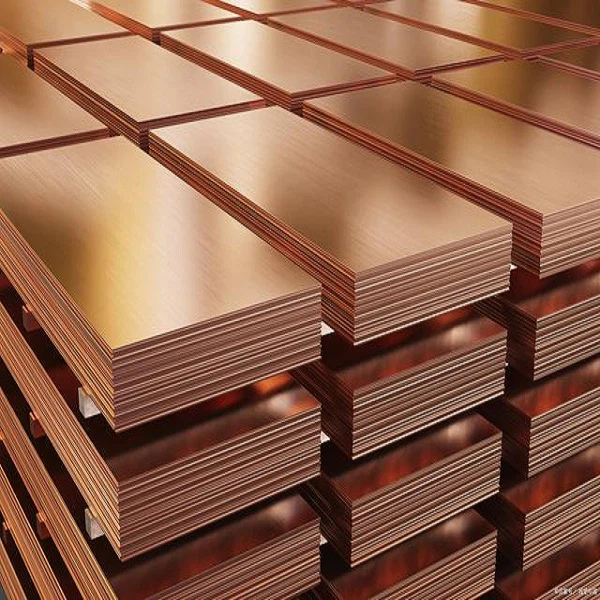
As a busbar supplier, I can help you choose the right busbar material for your specific needs. Whether you're looking for MCB Copper Bar, car battery terminal components, or Car Battery Terminal Connectors, I've got you covered.
If you're interested in purchasing busbars or have any questions about our products, feel free to reach out. We're here to help you find the best solution for your electrical system.