What is the corrosion resistance of cold rolled square tubes?
As a supplier of cold rolled square tubes, I've received numerous inquiries about the corrosion resistance of these products. Understanding the corrosion resistance of cold rolled square tubes is crucial for various applications, from construction to manufacturing. In this blog, I'll delve into the factors that influence the corrosion resistance of cold rolled square tubes, compare them with other types of square tubes, and discuss ways to enhance their corrosion protection.
Factors Affecting the Corrosion Resistance of Cold Rolled Square Tubes
-
Material Composition
The base material of cold rolled square tubes plays a significant role in their corrosion resistance. Most cold rolled square tubes are made from carbon steel, which is prone to rusting when exposed to moisture and oxygen. However, the addition of alloying elements can improve the corrosion resistance of the steel. For example, stainless steel cold rolled square tubes contain chromium, which forms a passive oxide layer on the surface of the tube, protecting it from corrosion. The higher the chromium content, the better the corrosion resistance. -
Surface Finish
The surface finish of cold rolled square tubes also affects their corrosion resistance. Cold rolling produces a smooth and uniform surface, which is less likely to trap moisture and contaminants compared to a rough surface. A smooth surface reduces the risk of corrosion initiation and propagation. Additionally, the surface finish can be further enhanced through processes such as galvanizing or painting. Galvanizing involves coating the tube with a layer of zinc, which acts as a sacrificial anode, protecting the steel from corrosion. Painting provides a physical barrier between the tube and the environment, preventing moisture and oxygen from reaching the steel surface. -
Environmental Conditions
The environment in which the cold rolled square tubes are used has a significant impact on their corrosion resistance. Factors such as humidity, temperature, and the presence of corrosive substances can accelerate the corrosion process. For example, in coastal areas, the high salt content in the air can cause rapid corrosion of carbon steel tubes. In industrial environments, exposure to chemicals and pollutants can also increase the risk of corrosion. To ensure the long-term performance of cold rolled square tubes, it's essential to consider the environmental conditions and select the appropriate tube material and protective coatings.
Comparison with Other Types of Square Tubes
-
Galvanized Rectangular Tube
Galvanized rectangular tubes are similar to cold rolled square tubes in terms of their shape, but they have an additional layer of zinc coating. This zinc coating provides excellent corrosion resistance, making galvanized rectangular tubes suitable for outdoor applications and environments with high humidity. Compared to cold rolled square tubes, galvanized rectangular tubes have a longer lifespan and require less maintenance. You can learn more about Galvanized Rectangular Tube on our website. -
Hot Rolled Square Tube
Hot rolled square tubes are produced through a different manufacturing process compared to cold rolled square tubes. Hot rolling involves heating the steel above its recrystallization temperature and then rolling it into the desired shape. This process results in a rougher surface finish and a less precise dimensional accuracy compared to cold rolled square tubes. In terms of corrosion resistance, hot rolled square tubes are generally less resistant than cold rolled square tubes due to their rougher surface, which is more prone to trapping moisture and contaminants. However, hot rolled square tubes can be coated or treated to improve their corrosion resistance. You can find more information about Hot Rolled Square Tube on our website. -
Structural Steel Square Tube
Structural steel square tubes are designed for use in structural applications, such as building frames and bridges. They are typically made from high-strength steel and have a thicker wall thickness compared to cold rolled square tubes. While structural steel square tubes may have good mechanical properties, their corrosion resistance can vary depending on the material composition and surface treatment. Similar to cold rolled square tubes, structural steel square tubes can be protected from corrosion through galvanizing, painting, or other protective coatings. To explore our range of Structural Steel Square Tube, visit our website.
Enhancing the Corrosion Resistance of Cold Rolled Square Tubes
-
Galvanizing
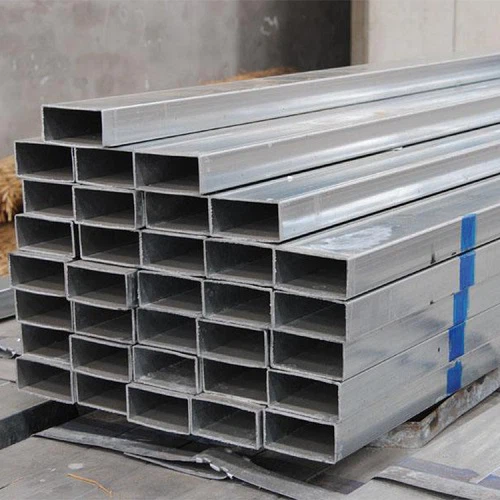
Galvanizing is one of the most common methods for enhancing the corrosion resistance of cold rolled square tubes. As mentioned earlier, galvanizing involves coating the tube with a layer of zinc, which provides a sacrificial anode and a physical barrier against corrosion. There are two main types of galvanizing: hot-dip galvanizing and electro-galvanizing. Hot-dip galvanizing is a more durable and cost-effective method, as it produces a thicker and more uniform zinc coating compared to electro-galvanizing.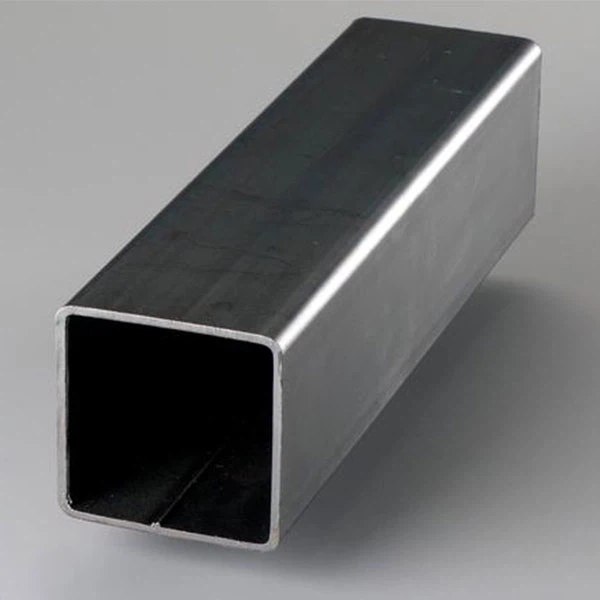
-
Painting
Painting is another effective way to protect cold rolled square tubes from corrosion. A high-quality paint coating can provide a physical barrier between the tube and the environment, preventing moisture and oxygen from reaching the steel surface. When selecting a paint for cold rolled square tubes, it's important to choose a paint that is compatible with the tube material and the environmental conditions. Epoxy and polyurethane paints are commonly used for their excellent corrosion resistance and durability. -
Powder Coating
Powder coating is a modern and environmentally friendly method for enhancing the corrosion resistance of cold rolled square tubes. Powder coating involves applying a dry powder to the tube surface and then heating it to form a hard and durable coating. Powder coatings offer several advantages over traditional paint coatings, including better adhesion, greater durability, and a wider range of colors and finishes.
Conclusion
In conclusion, the corrosion resistance of cold rolled square tubes depends on several factors, including the material composition, surface finish, and environmental conditions. While carbon steel cold rolled square tubes are prone to rusting, the addition of alloying elements and the application of protective coatings can significantly improve their corrosion resistance. When choosing cold rolled square tubes for your project, it's important to consider the specific requirements and environmental conditions to ensure the long-term performance of the tubes.
If you're interested in purchasing cold rolled square tubes or have any questions about their corrosion resistance, please feel free to contact us. Our team of experts is ready to assist you in selecting the right products for your needs and providing you with the best solutions for corrosion protection.
References
- ASM Handbook, Volume 13A: Corrosion: Fundamentals, Testing, and Protection
- ASTM International Standards for Steel Tubes and Pipes
- Corrosion Engineering Handbook, Third Edition by Pierre R. Roberge