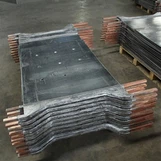
Shaped steel is a fundamental material in various industries, especially in construction and solar energy applications like the Double Portrait Horizontal Single - axis Solar Tracker. However, when exposed to a humid environment, shaped steel is highly susceptible to corrosion, which can compromise its structural integrity and reduce its lifespan. As a shaped steel supplier, I understand the importance of preventing corrosion, and in this blog, I'll share several effective strategies.
Understanding the Corrosion Process in Humid Environments
Corrosion of shaped steel in a humid environment is an electrochemical process. When water vapor in the air condenses on the surface of the steel, it forms a thin layer of electrolyte. The steel, being an alloy mainly composed of iron, reacts with oxygen in the air through this electrolyte layer. Iron atoms lose electrons and are oxidized to form iron ions, which then react with hydroxide ions in the electrolyte. Eventually, iron hydroxide is formed, and through further chemical reactions, it turns into rust (iron oxide hydrate).
The rate of corrosion depends on several factors, including the relative humidity, temperature, and the presence of pollutants in the air. Generally, when the relative humidity exceeds 60%, the corrosion rate of steel starts to increase significantly. High temperatures can also accelerate the chemical reactions involved in corrosion. Pollutants such as sulfur dioxide and chloride ions can act as catalysts, further speeding up the corrosion process.


Surface Coating
One of the most common and effective methods to prevent shaped steel from corrosion in a humid environment is applying a surface coating. There are several types of coatings available, each with its own advantages and limitations.
Paint Coatings
Paint coatings are widely used due to their relatively low cost and ease of application. They form a physical barrier between the steel surface and the surrounding environment, preventing moisture and oxygen from reaching the steel. When choosing a paint coating, it's important to consider the environmental conditions. For example, in a marine environment where there are high levels of salt, a paint with good resistance to chloride ions should be selected.
Before applying the paint, the steel surface must be properly prepared. This usually involves cleaning the surface to remove any dirt, grease, or rust. Shot blasting or sandblasting can be used to create a rough surface, which helps the paint to adhere better. Multiple layers of paint are often applied to ensure better protection. The first layer is usually a primer, which provides good adhesion and some anti - corrosion properties. The topcoat provides additional protection and can also enhance the appearance of the steel.
Galvanizing
Galvanizing is a process of coating steel with a layer of zinc. Zinc is more reactive than iron, so when the zinc coating is exposed to the environment, it corrodes preferentially, protecting the underlying steel. There are two main types of galvanizing: hot - dip galvanizing and electro - galvanizing.
Hot - dip galvanizing involves immersing the shaped steel in a bath of molten zinc. This method forms a thick and durable zinc coating that can provide long - term protection. The zinc coating can last for decades, depending on the environmental conditions. Electro - galvanizing, on the other hand, uses an electric current to deposit a thin layer of zinc onto the steel surface. It is often used for applications where a thinner coating is sufficient or where a more precise coating thickness is required.
Powder Coatings
Powder coatings are another option for protecting shaped steel. They are applied as a dry powder, which is then heated to form a smooth and durable coating. Powder coatings offer several advantages, including good chemical resistance, high durability, and environmental friendliness. They are available in a wide range of colors, which can be beneficial for aesthetic purposes.
Design and Installation Considerations
Proper design and installation can also play a crucial role in preventing corrosion.
Drainage Design
In a humid environment, it's important to ensure that water can drain away from the shaped steel. If water is allowed to accumulate on the steel surface, it can create a local environment with high humidity, accelerating corrosion. When designing structures made of shaped steel, slopes and drainage channels should be incorporated to direct water away. For example, in a solar panel mounting structure like the Flat Single Axis Sunlight Tracking Bracket, the design should prevent water from pooling on the shaped steel components.
Avoiding Crevices
Crevices can trap moisture and create a stagnant environment, which is ideal for corrosion. When joining shaped steel components, proper joint design should be used to avoid the formation of crevices. For example, using continuous welds instead of spot welds can reduce the number of crevices. Gaskets or sealants can also be used to fill any gaps and prevent moisture from entering.
Ventilation
Good ventilation can help to reduce the relative humidity around the shaped steel. In enclosed spaces where shaped steel is used, ventilation systems should be installed to ensure air circulation. This can help to remove moisture from the air and prevent the formation of a high - humidity environment.
Corrosion Inhibitors
Corrosion inhibitors are substances that can be added to the environment or applied to the steel surface to reduce the corrosion rate. They work by either adsorbing onto the steel surface and forming a protective film or by changing the electrochemical reactions involved in corrosion.
Inorganic Inhibitors
Inorganic inhibitors such as chromates and phosphates have been used for many years. Chromates are very effective in preventing corrosion, but they are toxic and have environmental concerns. Phosphates are less toxic and can form a protective layer on the steel surface. They are often used in combination with other inhibitors or as part of a surface treatment process.
Organic Inhibitors
Organic inhibitors are becoming more popular due to their relatively low toxicity and good performance. They can adsorb onto the steel surface through chemical bonds or physical forces, forming a protective film. Some common organic inhibitors include amines, imidazolines, and mercaptans. The effectiveness of organic inhibitors depends on their chemical structure, concentration, and the environmental conditions.
Regular Inspection and Maintenance
Even with the best prevention measures in place, regular inspection and maintenance are essential to ensure the long - term performance of shaped steel in a humid environment.
Inspections should be carried out at regular intervals to check for any signs of corrosion, such as rust spots or coating damage. If corrosion is detected early, appropriate measures can be taken to prevent it from spreading. This may involve repairing the coating, removing the rust, and reapplying a protective coating.
Maintenance also includes cleaning the steel surface periodically to remove any dirt or pollutants that may accumulate over time. This can help to maintain the effectiveness of the surface coating and prevent the growth of microorganisms, which can also contribute to corrosion.
Conclusion
Preventing shaped steel from corrosion in a humid environment requires a comprehensive approach that includes surface coating, proper design and installation, the use of corrosion inhibitors, and regular inspection and maintenance. As a shaped steel supplier, I'm committed to providing high - quality products and sharing the knowledge on how to protect them. If you're in need of shaped steel for your projects, such as for Shaped Steel applications in solar energy or construction, I encourage you to contact me for more information and to discuss your specific requirements. I'm here to help you choose the right shaped steel and the appropriate corrosion prevention methods to ensure the success of your projects.
References
- Uhlig, H. H., & Revie, R. W. (1985). Corrosion and Corrosion Control: An Introduction to Corrosion Science and Engineering. Wiley - Interscience.
- Fontana, M. G. (1986). Corrosion Engineering. McGraw - Hill.
- Kuznetsov, Y. G. (2007). Corrosion of Metals: Physicochemical Principles and Current Problems. Elsevier.