

Hey there! As a shaped steel supplier, I've seen my fair share of issues when it comes to shaped steel buckling. It's a real headache for many construction projects, and that's why I'm here to share some tips on how to prevent it.
Understanding Shaped Steel Buckling
First off, let's talk about what buckling actually is. Buckling occurs when a structural member, like shaped steel, fails under compressive loads. Instead of simply crushing, the steel member bends or twists out of shape. This can happen suddenly and unexpectedly, leading to serious structural damage or even collapse.
There are a few different types of buckling that can affect shaped steel. The most common ones are local buckling, where a part of the cross - section of the steel member buckles, and overall buckling, where the entire member buckles as a whole.
Factors That Contribute to Buckling
Several factors can contribute to shaped steel buckling. One of the main factors is the slenderness ratio. The slenderness ratio is the ratio of the length of the member to its least radius of gyration. A higher slenderness ratio means the member is more likely to buckle. So, longer and thinner shaped steel members are at a greater risk.
The type of load also matters. Concentrated loads are more likely to cause buckling than uniformly distributed loads. And of course, the quality of the steel itself plays a huge role. Poor - quality steel with internal defects or inconsistent material properties is more prone to buckling.
Preventive Measures
Proper Design
Designing the shaped steel members correctly is crucial. Engineers need to calculate the expected loads accurately and choose the appropriate cross - section and length of the steel members. They should aim for a lower slenderness ratio by using shorter and thicker members where possible. For example, if you're building a roof structure, using a C - shaped steel purlin with a suitable thickness and width can help prevent buckling. Check out our C - shaped Steel Purlin for high - quality options.
Adequate Bracing
Bracing is another important preventive measure. By adding braces to the shaped steel members, you can increase their stability and reduce the effective length of the members. This, in turn, lowers the slenderness ratio and decreases the risk of buckling. Braces can be horizontal, vertical, or diagonal, depending on the structure and the direction of the loads. For instance, in a large - scale industrial building, diagonal bracing can significantly improve the stability of the steel columns and beams.
Material Selection
Choosing high - quality steel is a no - brainer. High - strength steel with consistent material properties is less likely to buckle. As a shaped steel supplier, I always recommend using top - notch steel for critical applications. We also offer High Quality Solar Bracket made from high - quality steel, which are designed to withstand various loads without buckling.
Installation Quality
The way the shaped steel members are installed also affects their buckling resistance. Proper installation ensures that the members are aligned correctly and that the connections are strong. Loose or poorly made connections can reduce the overall stability of the structure and increase the risk of buckling. Workers should follow the installation guidelines carefully and use the right tools and techniques.
Consider the Environment
The environment in which the shaped steel is used can also impact its buckling behavior. For example, in a corrosive environment, the steel can lose its strength over time, making it more susceptible to buckling. Applying protective coatings to the steel can help prevent corrosion and maintain its strength. In areas with high winds or seismic activity, additional design considerations may be needed to prevent buckling.
Case Studies
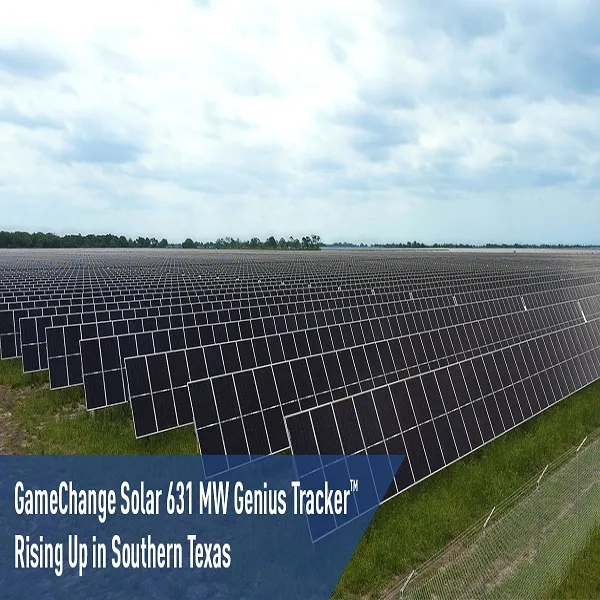
Let's look at a couple of real - world examples. In a recent solar power project, we supplied shaped steel for the solar panel mounting structures. The initial design had some long and thin C - shaped steel purlins, which were at a high risk of buckling. After re - evaluating the design, we recommended using thicker purlins and adding diagonal bracing. This not only prevented buckling but also improved the overall stability of the solar panel mounting system. You can check out our Double Portrait Horizontal Single - axis Solar Tracker for a similar well - designed solution.
In another case, a small - scale warehouse was being built. The original plan was to use low - quality steel for the columns. But after we explained the risks of buckling, the builder decided to upgrade to high - quality steel. The result was a stronger and more stable structure that could withstand the expected loads without any issues.
Conclusion
Preventing shaped steel buckling is all about a combination of proper design, adequate bracing, high - quality material selection, and careful installation. By following these tips, you can ensure that your shaped steel structures are safe and reliable.

If you're in the market for high - quality shaped steel products, whether it's for a solar power project, a building construction, or any other application, I'd love to hear from you. Feel free to reach out to discuss your specific needs and requirements. We're here to provide you with the best - suited shaped steel solutions and help you prevent those pesky buckling problems.
References
- "Structural Steel Design" by Jack C. McCormac and Russell H. Brown
- "Steel Construction Manual" by the American Institute of Steel Construction


