How to install seamless square tubes correctly?
As a trusted supplier of seamless square tubes, I understand the importance of proper installation for ensuring the long - term performance and safety of these versatile products. Seamless square tubes are widely used in various industries, including construction, automotive, and manufacturing, due to their high strength, corrosion resistance, and aesthetic appeal. In this blog, I will share some essential tips on how to install seamless square tubes correctly.
Preparation before Installation
Before you start the installation process, it is crucial to make thorough preparations. First, you need to carefully measure the area where the seamless square tubes will be installed. Accurate measurements are the foundation of a successful installation. Use high - precision measuring tools such as laser distance meters or steel tapes to ensure that the dimensions are correct.
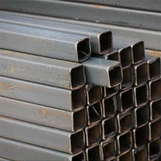
Next, select the appropriate type of seamless square tube according to your specific requirements. We offer a wide range of seamless square tubes, including Hollow Square Steel Tube, Hot Rolled Square Tube, and Rectangular Pipe Square Tubing. Each type has its own characteristics and advantages. For example, hollow square steel tubes are lightweight and cost - effective, making them suitable for applications where weight is a concern. Hot - rolled square tubes, on the other hand, have better mechanical properties and are often used in high - stress environments.


Inspect the seamless square tubes for any damage or defects before installation. Check for cracks, dents, or uneven surfaces. If you find any issues, contact us immediately, and we will provide you with a replacement or appropriate solutions.
Installation Process
- Marking and Positioning
- Use chalk or a marker to mark the positions where the seamless square tubes will be installed on the surface. Make sure the markings are clear and accurate. This step is essential for ensuring the proper alignment of the tubes during installation.
- If you are installing the tubes on a wall or a vertical surface, use a level to ensure that the markings are perfectly horizontal or vertical. This will prevent the tubes from being installed at an angle, which can affect their stability and functionality.
- Cutting the Tubes
- If you need to cut the seamless square tubes to the desired length, use appropriate cutting tools such as a hacksaw, a circular saw, or a plasma cutter. The choice of cutting tool depends on the thickness and material of the tubes.
- When cutting the tubes, make sure to wear protective gear such as safety glasses and gloves. Also, ensure that the cutting surface is smooth and perpendicular to the axis of the tube. A rough or angled cut can cause problems during the connection process.
- Connecting the Tubes
- There are several methods for connecting seamless square tubes, including welding, using mechanical connectors, or using adhesives.
- Welding: Welding is a common and reliable method for joining seamless square tubes. It provides a strong and permanent connection. However, it requires professional welding skills and equipment. If you choose to weld the tubes, make sure to follow the proper welding procedures and safety regulations.
- Mechanical Connectors: Mechanical connectors are a convenient alternative to welding. They are easy to install and do not require special skills. There are different types of mechanical connectors available, such as coupling sleeves, flanges, and clamps. Choose the appropriate connector based on the application and the size of the tubes.
- Adhesives: Adhesives can be used for non - structural or low - stress connections. They are suitable for applications where disassembly may be required in the future. Make sure to choose an adhesive that is compatible with the material of the tubes and the environmental conditions.
- There are several methods for connecting seamless square tubes, including welding, using mechanical connectors, or using adhesives.
- Securing the Tubes
- After connecting the tubes, secure them in place using brackets, anchors, or other fasteners. The type of fastener depends on the installation surface and the load requirements.
- For example, if you are installing the tubes on a concrete wall, use concrete anchors. If you are installing them on a wooden surface, use screws or nails. Make sure the fasteners are tightened properly to prevent the tubes from moving or vibrating.
Post - installation Inspection
Once the installation is complete, conduct a thorough inspection of the installed seamless square tubes. Check the alignment, connection points, and fasteners to ensure that everything is in good condition.
- Check for any signs of leakage if the tubes are used for fluid or gas transportation.
- Test the stability of the tubes by applying a gentle force to them. If there is any movement or looseness, tighten the fasteners or reinforce the connections.
Maintenance and Care
Proper maintenance and care are essential for extending the lifespan of the installed seamless square tubes.
- Regularly clean the tubes to remove dirt, dust, and other contaminants. This will prevent corrosion and damage to the surface of the tubes.
- Inspect the tubes periodically for any signs of wear, damage, or corrosion. If you notice any issues, take appropriate measures to repair or replace the affected parts.
- In areas with harsh environmental conditions, such as high humidity or exposure to chemicals, consider applying a protective coating to the tubes to enhance their corrosion resistance.
Conclusion
Installing seamless square tubes correctly is a multi - step process that requires careful planning, proper tools, and attention to detail. By following the tips outlined in this blog, you can ensure a successful installation that meets your specific requirements.
As a seamless square tube supplier, we are committed to providing high - quality products and professional technical support. If you have any questions about seamless square tube installation or need to purchase our products, please feel free to contact us. We look forward to discussing your project and helping you find the best solutions.
References
- "Handbook of Steel Pipe Engineering"
- "Installation Guidelines for Structural Steel Tubes"