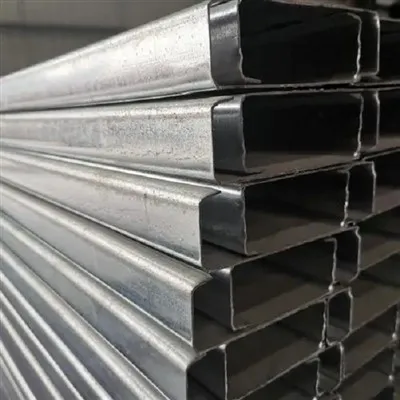
In the realm of renewable energy, photovoltaic (PV) systems have emerged as a cornerstone for sustainable power generation. As a dedicated photovoltaic bracket supplier, we understand the critical role that PV brackets play in ensuring the long - term performance and reliability of solar installations. One of the most significant challenges faced by PV systems is wind resistance. Strong winds can exert substantial forces on PV panels and their supporting brackets, potentially leading to structural damage, reduced energy output, and increased maintenance costs. In this blog post, I will delve into various strategies and considerations to improve the wind resistance of photovoltaic brackets.
Understanding Wind Forces on PV Brackets
Before we can effectively enhance the wind resistance of PV brackets, it is essential to understand the nature of wind forces acting on them. Wind forces can be classified into two main types: static and dynamic. Static wind forces are the steady, non - fluctuating pressures exerted by the wind on the PV system. These forces depend on factors such as wind speed, the surface area of the PV panels, and the angle of the installation. Dynamic wind forces, on the other hand, are the fluctuating pressures caused by turbulence in the wind flow. These forces can induce vibrations in the PV brackets, which may lead to fatigue failure over time.
To accurately assess the wind forces acting on PV brackets, engineers often use computational fluid dynamics (CFD) simulations. These simulations can provide detailed information about the wind flow patterns around the PV system, allowing for the design of brackets that can withstand the expected wind loads. Additionally, field testing can be conducted in areas with high wind speeds to validate the performance of the brackets under real - world conditions.


Design Considerations for Wind - Resistant PV Brackets
1. Structural Integrity
The structural design of PV brackets is crucial for ensuring wind resistance. Brackets should be constructed from high - strength materials that can withstand the expected wind loads without deformation or failure. Common materials used for PV brackets include aluminum alloys, steel, and Zinc Alloy Photovoltaic Bracket. Aluminum alloys are popular due to their lightweight, corrosion resistance, and high strength - to - weight ratio. Steel brackets, on the other hand, offer higher strength and are often used in large - scale PV installations.
The design of the bracket should also incorporate features that enhance its structural integrity. For example, using triangular or truss - like structures can increase the stiffness of the bracket and distribute the wind loads more evenly. Additionally, proper welding or fastening techniques should be employed to ensure that the individual components of the bracket are securely connected.
2. Aerodynamic Design
An aerodynamic design can significantly reduce the wind forces acting on PV brackets. By minimizing the surface area exposed to the wind and streamlining the shape of the bracket, the drag force can be reduced. For instance, using rounded edges and smooth surfaces can help to reduce turbulence and prevent the formation of high - pressure areas. Some PV bracket designs incorporate airfoil - like shapes to further optimize the aerodynamics.
3. Adjustability
Fully Adjustable Bracket for Solar Photovoltaic offer several advantages in terms of wind resistance. These brackets can be adjusted to optimize the angle of the PV panels based on the local wind conditions. For example, in areas with strong prevailing winds, the panels can be tilted at an angle that reduces the wind load. Additionally, adjustable brackets can be used to compensate for any changes in the wind direction over time.
4. Foundation and Mounting
The foundation and mounting of the PV brackets are also critical for wind resistance. The brackets should be securely attached to a stable foundation, such as a concrete slab or a rooftop structure. In rooftop installations, Rooftop Photovoltaic Bracket should be designed to distribute the wind loads evenly across the rooftop. This may involve using multiple attachment points and reinforcement structures.
Installation Best Practices
1. Proper Alignment
During installation, it is crucial to ensure that the PV brackets are properly aligned. Misaligned brackets can create uneven wind loads, which may lead to premature failure. The panels should be installed parallel to each other and at the correct angle to optimize the wind resistance.
2. Tightening of Fasteners
All fasteners used in the installation of PV brackets should be tightened to the recommended torque specifications. Loose fasteners can allow the brackets to move under wind loads, increasing the risk of damage. Regular inspections should be conducted to ensure that the fasteners remain tight over time.
3. Grounding
Proper grounding of the PV system is essential for safety and can also help to reduce the risk of damage from wind - induced electrical surges. The brackets should be connected to a grounded electrical system to prevent the buildup of static electricity.
Maintenance and Monitoring
1. Regular Inspections
Regular inspections of the PV brackets are necessary to detect any signs of damage or wear. Inspections should include checking for loose fasteners, corrosion, and deformation of the brackets. Any issues should be addressed promptly to prevent further damage.
2. Monitoring of Wind Conditions
Monitoring the local wind conditions can help to predict potential wind - related problems. By installing wind sensors near the PV system, real - time data on wind speed and direction can be collected. This data can be used to adjust the angle of the PV panels or take other preventive measures in case of high - wind events.
Conclusion
Improving the wind resistance of photovoltaic brackets is a multi - faceted challenge that requires careful consideration of design, installation, maintenance, and monitoring. As a photovoltaic bracket supplier, we are committed to providing high - quality brackets that are designed to withstand the most challenging wind conditions. By implementing the strategies outlined in this blog post, PV system owners can ensure the long - term reliability and performance of their solar installations.
If you are interested in learning more about our photovoltaic brackets or would like to discuss your specific project requirements, we invite you to contact us for a procurement discussion. Our team of experts is ready to assist you in selecting the most suitable brackets for your PV system.
References
- ASCE 7 - 16, Minimum Design Loads and Associated Criteria for Buildings and Other Structures.
- IEC 61215, Crystalline silicon terrestrial photovoltaic (PV) modules - Design qualification and type approval.
- DNV - GL, Recommended Practice for Design of Offshore Wind Turbine Structures.