Hey there, fellow solar enthusiasts! As a supplier of solar mount brackets, I've seen firsthand how crucial it is to pick the right brackets for your solar panel setup. In this blog post, I'm gonna share some tips on how to choose the perfect solar mount brackets for your needs.
1. Consider Your Installation Location
The first thing you need to think about is where you're gonna install your solar panels. Are you putting them on a rooftop, on the ground, or maybe on a tracking system? Each location has its own requirements, and the type of mount bracket you choose will depend on that.
Rooftop Installation
If you're going for a rooftop installation, you gotta make sure the brackets are compatible with the type of roof you have. There are different brackets for flat roofs, pitched roofs, and even metal roofs. For example, our Rooftop Photovoltaic Bracket is designed specifically for rooftop installations. It's made of high - quality materials that can withstand various weather conditions and the weight of the solar panels.
Ground Installation
For ground installations, stability is key. You need brackets that can firmly hold the solar panels in place, especially in areas with high winds or heavy rainfall. Some ground - mount brackets come with adjustable angles so you can optimize the solar panel's position for maximum sunlight exposure throughout the year.
Tracking System
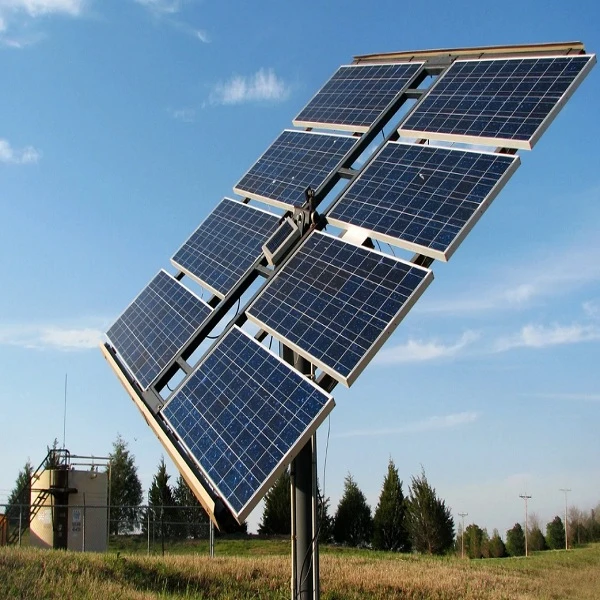
If you're using a Chasing Solar Photovoltaic Systems, the brackets need to be able to support the movement of the panels as they track the sun. These brackets usually have more complex designs and better mobility features to ensure smooth operation.
2. Evaluate the Material
The material of the mount brackets is super important. It affects the durability, strength, and corrosion resistance of the brackets.
Aluminum
Aluminum is a popular choice for solar mount brackets. It's lightweight, which makes it easier to install, and it has good corrosion resistance. Aluminum brackets can last for a long time, even in harsh environments. They're also relatively easy to work with during the installation process.
Steel
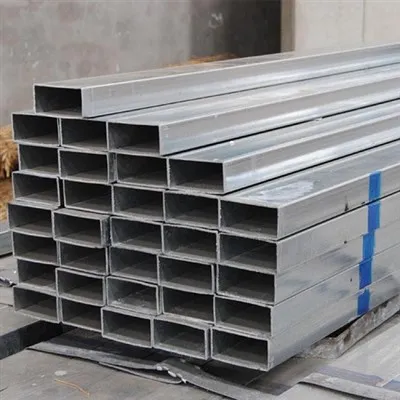
Steel brackets are known for their strength. They can handle heavier solar panels and provide excellent structural support. However, steel is more prone to rust if not properly coated. Galvanized steel is a good option as it has a protective zinc coating that helps prevent corrosion.
Zinc Alloy
Our Zinc Alloy Photovoltaic Bracket combines the best of both worlds. Zinc alloy offers good strength and corrosion resistance. It's also cost - effective, making it a great choice for many solar installations.
3. Look at the Load Capacity
You need to know how much weight the mount brackets can handle. This includes the weight of the solar panels themselves, as well as any additional weight from snow, wind, or other environmental factors. Make sure to check the load capacity specifications provided by the manufacturer. If your solar panels are on the heavier side, you'll need brackets with a higher load capacity to ensure the safety and stability of the installation.
4. Consider the Adjustability
Adjustable mount brackets give you more flexibility. You can adjust the angle of the solar panels to optimize sunlight exposure based on the season and your location. This can significantly improve the efficiency of your solar power system. For example, in the summer, you might want to tilt the panels at a different angle compared to the winter to capture the most sunlight.
5. Check for Ease of Installation
Let's face it, no one wants a complicated installation process. Look for mount brackets that are easy to install. Some brackets come with pre - drilled holes and simple connection mechanisms, which can save you a lot of time and effort. If you're not a professional installer, choosing user - friendly brackets can make the whole process a lot less stressful.
6. Think About Compatibility
The mount brackets need to be compatible with your solar panels. Check the dimensions and mounting holes of your panels and make sure the brackets can fit them properly. Incompatible brackets can lead to a poor installation and even damage to the panels.

7. Evaluate the Cost
Cost is always a factor when making any purchase. You want to find a balance between quality and price. Cheaper brackets might seem like a good deal at first, but they could end up costing you more in the long run if they're not durable or if they cause problems with your solar power system. On the other hand, you don't have to break the bank to get high - quality brackets. Do some research, compare prices from different suppliers, and find the best option for your budget.
8. Look for Warranty and Support
A good warranty is a sign of a reliable product. Make sure the mount brackets come with a reasonable warranty period. This gives you peace of mind knowing that if there are any issues with the brackets, you can get them replaced or repaired. Also, consider the level of support provided by the supplier. If you have any questions during the installation or use of the brackets, it's important to be able to get help quickly.
Let's Connect!
If you're in the market for solar mount brackets and have any questions or need more information, don't hesitate to reach out. We're here to help you choose the right brackets for your solar project. Whether you're a homeowner looking to install a small solar system or a commercial developer working on a large - scale project, we've got the expertise and the products to meet your needs.
References
- Solar Energy Industries Association. (2023). Best Practices for Solar Panel Installation.
- National Renewable Energy Laboratory. (2023). Guide to Selecting Solar Mounting Systems.