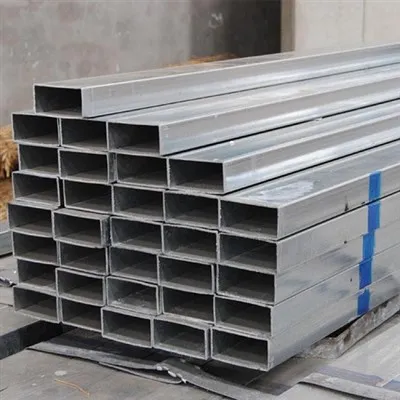
Busbars are a fundamental component in electrical systems, playing a crucial role in the efficient distribution and management of electrical power. As a leading busbar supplier, I've witnessed firsthand the diverse applications and benefits of these essential components. In this blog post, I'll delve into the inner workings of busbars, exploring their design, functionality, and the key factors that contribute to their performance.
Understanding Busbars: A Basic Overview
At its core, a busbar is a metallic strip or bar, typically made of copper or aluminum, that conducts electricity within an electrical panel, switchgear, or other power distribution equipment. Unlike traditional wiring, which relies on individual cables to carry current, busbars provide a centralized pathway for electrical energy, allowing for the efficient transfer of power between various components.
The primary function of a busbar is to collect, distribute, and control electrical current. It serves as a common connection point for multiple circuits, enabling the seamless flow of electricity from a power source to different loads. By consolidating electrical connections, busbars simplify the design and installation of electrical systems, reducing the complexity and potential for errors associated with traditional wiring methods.
Design and Construction of Busbars
The design and construction of busbars are critical factors that determine their performance and reliability. When selecting a busbar, several key considerations must be taken into account, including the material, cross-sectional area, shape, and insulation.
- Material: Copper and aluminum are the most commonly used materials for busbars due to their excellent electrical conductivity. Copper offers higher conductivity and better corrosion resistance than aluminum, making it the preferred choice for high-current applications. However, aluminum is lighter and more cost-effective, making it suitable for applications where weight and cost are primary concerns.
- Cross-sectional Area: The cross-sectional area of a busbar directly affects its current-carrying capacity. A larger cross-sectional area allows for the flow of more current without excessive heating, reducing the risk of overheating and electrical failures. The appropriate cross-sectional area is determined based on the expected current load, ambient temperature, and other operating conditions.
- Shape: Busbars come in a variety of shapes, including flat, rectangular, and circular. The shape of a busbar is selected based on the specific application and the available space within the electrical enclosure. Flat busbars are the most common type, offering a large surface area for efficient heat dissipation and easy installation.
- Insulation: In some applications, busbars may be insulated to prevent electrical contact and reduce the risk of short circuits. Insulation materials such as PVC, epoxy, or heat-shrink tubing are commonly used to provide electrical isolation and protection.
How Busbars Work
To understand how busbars work, it's essential to grasp the basic principles of electrical current flow. When an electrical current flows through a conductor, such as a busbar, it creates a magnetic field around the conductor. This magnetic field interacts with the electrical current, causing it to flow in a specific direction.
In a typical electrical system, a busbar is connected to a power source, such as a generator or transformer, and distributes electrical current to various loads, such as motors, lights, or other electrical equipment. The busbar acts as a central hub, collecting the electrical current from the power source and distributing it to the appropriate circuits.
The flow of electrical current through a busbar is governed by Ohm's Law, which states that the current flowing through a conductor is directly proportional to the voltage applied across it and inversely proportional to the resistance of the conductor. In other words, the higher the voltage and the lower the resistance, the greater the current flow.


To ensure the efficient operation of a busbar, it's crucial to minimize its resistance. This can be achieved by using a high-conductivity material, such as copper or aluminum, and by maintaining a large cross-sectional area. Additionally, proper installation and maintenance of the busbar are essential to prevent loose connections, corrosion, and other factors that can increase resistance and reduce performance.
Applications of Busbars
Busbars are used in a wide range of applications across various industries, including power generation, distribution, and industrial automation. Some of the common applications of busbars include:
- Power Generation: In power plants, busbars are used to collect and distribute electrical power from generators to transformers and other electrical equipment. They play a critical role in ensuring the efficient and reliable operation of the power generation system.
- Power Distribution: In electrical substations and switchgear, busbars are used to distribute electrical power from the transmission lines to the distribution networks. They provide a centralized connection point for multiple circuits, allowing for the efficient management and control of electrical power.
- Industrial Automation: In industrial automation systems, busbars are used to supply electrical power to motors, controllers, and other electrical equipment. They enable the seamless integration of various components, improving the efficiency and productivity of the industrial process.
- Renewable Energy: In renewable energy systems, such as solar and wind power plants, busbars are used to collect and distribute electrical power from the renewable energy sources to the grid. They play a crucial role in ensuring the efficient and reliable integration of renewable energy into the existing power grid.
Advantages of Using Busbars
There are several advantages to using busbars in electrical systems, including:
- Efficiency: Busbars offer a more efficient way to distribute electrical power compared to traditional wiring methods. By providing a centralized pathway for electrical current, busbars reduce the resistance and voltage drop, resulting in lower energy losses and improved system efficiency.
- Reliability: Busbars are designed to withstand high currents and temperatures, making them more reliable than traditional wiring. They are less prone to loose connections, corrosion, and other factors that can cause electrical failures, ensuring the long-term reliability of the electrical system.
- Flexibility: Busbars can be easily customized to meet the specific requirements of different applications. They can be cut, bent, and drilled to fit the available space and accommodate various electrical components, providing greater flexibility in system design and installation.
- Safety: Busbars are typically enclosed in a protective housing, reducing the risk of electrical shock and short circuits. They also provide a more organized and compact electrical system, making it easier to maintain and troubleshoot.
Related Products
As a busbar supplier, we offer a wide range of products to meet the diverse needs of our customers. Some of our popular products include Battery Terminal Components, MCB Copper Bar, and Car Battery Terminal Connectors. These products are designed to provide reliable and efficient electrical connections in various applications.
Contact Us for Procurement
If you're interested in learning more about our busbar products or have any questions regarding their application, please don't hesitate to contact us. Our team of experts is ready to assist you in selecting the right busbar solution for your specific needs. Whether you're a small business or a large industrial enterprise, we can provide you with high-quality busbars at competitive prices. Reach out to us today to start a procurement discussion and take advantage of our expertise in electrical power distribution.
References
- Grover, F. W. (1946). Inductance Calculations: Working Formulas and Tables. Dover Publications.
- Kirtley, J. L. (2001). Electric Machinery Fundamentals. McGraw-Hill.
- Nehrir, M. H., & Wang, X. (2013). Power System Analysis and Design. Cengage Learning.