As a supplier of pitched roof PV brackets, ensuring the stability of these brackets is of utmost importance. In the solar energy industry, the stability of PV brackets directly affects the safety and efficiency of photovoltaic power generation systems. This blog will delve into the key factors and measures to ensure the stability of pitched roof PV brackets.
Understanding the Working Environment of Pitched Roof PV Brackets
Before discussing stability, it's crucial to understand the working environment of pitched roof PV brackets. These brackets are installed on pitched roofs, which means they are exposed to various weather conditions such as strong winds, heavy rain, snow, and even earthquakes in some regions. Additionally, the weight of the solar panels themselves also exerts continuous pressure on the brackets. Therefore, the design and installation of the brackets must take these factors into account.


Material Selection
The choice of materials is fundamental to ensuring the stability of pitched roof PV brackets. High - quality materials with sufficient strength and corrosion resistance are essential. Commonly used materials for PV brackets include aluminum alloy and steel.
- Aluminum Alloy: Aluminum alloy is a popular choice due to its lightweight nature and good corrosion resistance. It is easy to process and install, which can reduce the overall installation time and cost. Aluminum alloy brackets can withstand a certain amount of external force and are suitable for most pitched roof applications. For example, in coastal areas where the air is humid and contains salt, aluminum alloy brackets can effectively resist corrosion, ensuring long - term stability.
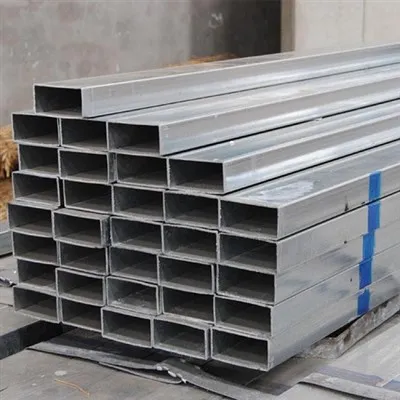
- Steel: Steel brackets, especially C - shaped Steel Photovoltaic Bracket, offer high strength and load - bearing capacity. They are more suitable for large - scale solar power plants or areas with harsh weather conditions. However, steel is prone to corrosion if not properly treated. Therefore, galvanized or powder - coated steel is often used to enhance its corrosion resistance.
Structural Design
A well - designed structure is the key to ensuring the stability of pitched roof PV brackets. The design should consider the following aspects:
- Load - Bearing Capacity: The bracket structure must be able to support the weight of the solar panels, as well as additional loads caused by wind, snow, and seismic forces. Engineers need to calculate the maximum load that the brackets will bear based on the local climate and geographical conditions. For example, in areas with heavy snowfall, the bracket design should be able to withstand the weight of accumulated snow without deformation.
- Wind Resistance: Wind is one of the most significant factors affecting the stability of PV brackets. The structure should be designed to minimize wind resistance and prevent the brackets from being blown off the roof. Aerodynamic design principles can be applied to reduce the wind pressure on the brackets. For instance, some bracket designs feature streamlined shapes that allow the wind to flow smoothly around them, reducing the risk of wind - induced damage.
- Seismic Resistance: In earthquake - prone areas, the bracket structure must have good seismic resistance. This can be achieved by using flexible connections and shock - absorbing materials. For example, rubber gaskets can be installed between the bracket and the roof to absorb seismic energy and reduce the impact on the brackets and solar panels.
Installation Quality
Even with high - quality materials and a well - designed structure, poor installation can still lead to instability. Therefore, strict installation standards and procedures must be followed:
- Roof Compatibility: Before installation, the condition of the pitched roof must be carefully inspected. The roof should be able to support the weight of the PV system and provide a stable base for the brackets. If the roof is damaged or has a weak structure, appropriate reinforcement measures should be taken.
- Proper Mounting: The brackets should be accurately mounted on the roof according to the design requirements. All bolts and connections should be tightened to ensure a firm connection. Improperly tightened bolts can loosen over time, leading to instability. For example, during the installation process, a torque wrench should be used to ensure that the bolts are tightened to the specified torque.
- Alignment and Leveling: The solar panels should be properly aligned and leveled on the brackets. Misaligned panels can cause uneven stress on the brackets, which may lead to deformation or damage. Laser leveling tools can be used to ensure accurate alignment during installation.
Quality Control and Testing
To ensure the stability of pitched roof PV brackets, strict quality control and testing procedures should be implemented:
- Material Testing: All raw materials used in the production of brackets should be tested to ensure their quality and performance meet the standards. This includes tests for strength, hardness, and corrosion resistance. For example, samples of aluminum alloy or steel can be sent to a professional laboratory for testing.
- Structural Testing: The finished brackets should undergo structural testing to verify their load - bearing capacity and stability. This can include static load tests and dynamic load tests. Static load tests involve applying a constant load to the brackets to simulate the weight of the solar panels and other loads. Dynamic load tests, on the other hand, simulate the effects of wind, earthquake, and other dynamic forces.
- Field Testing: After installation, field testing should be carried out to ensure that the PV system is functioning properly and the brackets are stable. This can include visual inspections, vibration monitoring, and stress analysis.
Maintenance and Monitoring
Regular maintenance and monitoring are essential to ensure the long - term stability of pitched roof PV brackets:
- Inspection: Periodic inspections should be carried out to check for any signs of damage, corrosion, or loosening of connections. This can be done visually or with the help of inspection tools such as drones. For example, drones can be used to quickly and accurately inspect large - scale solar power plants, detecting any potential problems in a timely manner.
- Maintenance: Any damaged or corroded parts should be repaired or replaced promptly. Lubrication of moving parts, if any, should also be carried out regularly to ensure smooth operation.
- Monitoring System: Installing a monitoring system can help track the performance and stability of the PV system in real - time. Sensors can be used to monitor factors such as temperature, humidity, wind speed, and stress on the brackets. Any abnormal changes can be detected early, allowing for timely maintenance and repair.
Conclusion
Ensuring the stability of pitched roof PV brackets requires a comprehensive approach that includes material selection, structural design, installation quality, quality control, and maintenance. As a Pitched Roof PV Brackets supplier, we are committed to providing high - quality products and professional services to meet the needs of our customers. If you are interested in our Photovoltaic Bracket products or have any questions about the stability of PV brackets, please feel free to contact us for further discussion and procurement negotiation.
References
- International Electrotechnical Commission (IEC). IEC 61215: Crystalline silicon terrestrial photovoltaic (PV) modules - Design qualification and type approval.
- American Society of Civil Engineers (ASCE). ASCE 7 - 16: Minimum design loads and associated criteria for buildings and other structures.
- Solar Energy Industries Association (SEIA). Best practices for solar PV system installation and maintenance.