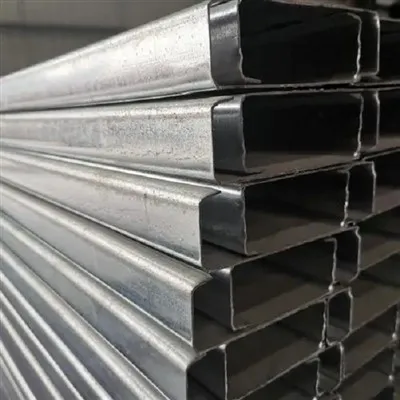
Are there international standards for photovoltaic brackets?
As a supplier of photovoltaic brackets, I often encounter inquiries from clients about international standards for these essential components in solar energy systems. In this blog post, I'll delve into the topic, exploring whether there are indeed international standards for photovoltaic brackets and what that means for our business and the industry at large.
The Need for Standards in the Photovoltaic Bracket Industry
The solar energy sector has witnessed remarkable growth in recent years, driven by the increasing demand for clean and renewable energy sources. Photovoltaic brackets play a crucial role in this industry, providing support and stability for solar panels. They need to withstand various environmental conditions, including wind, snow, and seismic activities, to ensure the long - term performance and safety of solar power systems.
Standards are essential in the photovoltaic bracket industry for several reasons. Firstly, they ensure the quality and reliability of products. By adhering to specific standards, manufacturers can guarantee that their brackets meet certain performance criteria, which is vital for the overall efficiency and durability of solar installations. Secondly, standards promote interoperability. When different components of a solar power system are designed according to the same standards, they can be easily integrated, reducing installation time and costs. Finally, standards help to build trust among consumers, installers, and investors. A product that meets recognized standards is more likely to be perceived as a high - quality and reliable choice.
Existing International Standards for Photovoltaic Brackets
There are indeed international standards that govern the design, manufacturing, and testing of photovoltaic brackets. One of the most well - known standards is the International Electrotechnical Commission (IEC) standards. The IEC has developed a series of standards related to photovoltaic systems, which include requirements for the mechanical and electrical performance of solar components, including brackets.
For example, IEC 61215 sets out the requirements for crystalline silicon terrestrial photovoltaic (PV) modules. While this standard is mainly focused on the PV modules themselves, it also has implications for the brackets that support them. The brackets need to be designed in such a way that they can safely hold the PV modules under various environmental conditions specified in the standard.
Another important standard is the UL (Underwriters Laboratories) standards in the United States. UL 2703 is a standard specifically for photovoltaic (PV) mounting systems, including brackets. This standard covers aspects such as structural integrity, fire resistance, and electrical safety. Products that meet UL 2703 are considered to be safe and reliable for use in PV installations in the US market.
In addition to these, there are also regional and national standards in different parts of the world. For instance, in Europe, the Eurocode standards are often used for the structural design of buildings and structures, including photovoltaic brackets. These standards take into account factors such as wind loads, snow loads, and seismic activity in different regions of Europe.
Challenges in Implementing International Standards
While international standards provide a framework for the photovoltaic bracket industry, there are still some challenges in their implementation. One of the main challenges is the diversity of geographical and environmental conditions around the world. A standard that is suitable for a region with low wind and snow loads may not be appropriate for a region with high - intensity storms or heavy snowfall. Therefore, manufacturers need to adapt their products to meet the specific requirements of different markets.
Another challenge is the cost of compliance. Meeting international standards often requires significant investment in research, development, and testing. Smaller manufacturers may find it difficult to afford these costs, which can lead to a competitive disadvantage in the market. Moreover, the process of obtaining certification to prove compliance with the standards can be time - consuming and complex.
Our Role as a Photovoltaic Bracket Supplier
As a supplier of C - shaped Steel Photovoltaic Bracket, Photovoltaic Bracket, and Solar PV Panel Mounting Bracket, we understand the importance of international standards. We are committed to ensuring that our products meet the highest quality and safety standards.

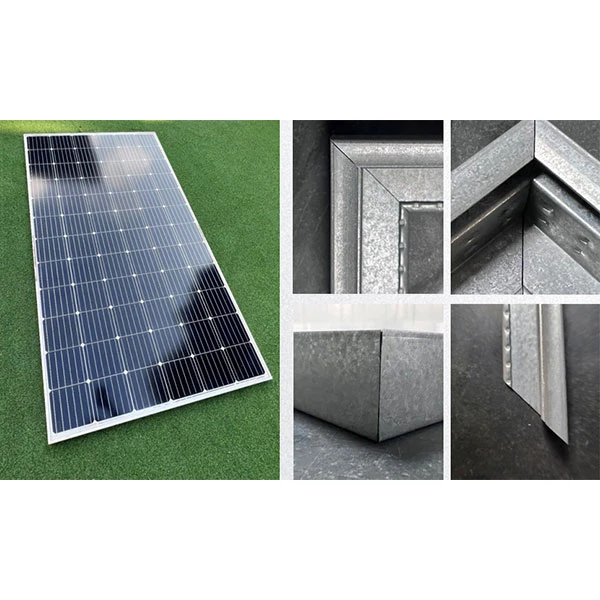
We closely follow the development of international and regional standards and incorporate the latest requirements into our product design and manufacturing processes. Our research and development team conducts extensive testing to ensure that our brackets can withstand the most demanding environmental conditions. We also work with independent testing laboratories to obtain certifications for our products, such as UL 2703 and relevant IEC certifications.
By adhering to international standards, we not only provide our customers with high - quality and reliable products but also contribute to the overall development and growth of the solar energy industry. Our products are designed to be compatible with a wide range of PV modules, making them easy to install and integrate into different solar power systems.
The Future of International Standards for Photovoltaic Brackets
As the solar energy industry continues to evolve, the international standards for photovoltaic brackets are also likely to be updated and improved. With the increasing adoption of large - scale solar power plants and the development of new PV technologies, there will be a growing need for more comprehensive and detailed standards.
In the future, we can expect to see more emphasis on aspects such as the recyclability and sustainability of photovoltaic brackets. As the world becomes more environmentally conscious, the solar energy industry will need to ensure that its products are not only efficient and reliable but also have a minimal impact on the environment.
There may also be a greater focus on standardizing the installation and maintenance procedures for photovoltaic brackets. Clear and consistent installation guidelines can help to reduce installation errors and improve the long - term performance of solar power systems.
Contact Us for Procurement and Collaboration
If you are in the market for high - quality photovoltaic brackets that meet international standards, we would be delighted to hear from you. Our team of experts can provide you with detailed information about our products, including their specifications, performance, and certifications. We can also offer customized solutions to meet your specific project requirements.
Whether you are an installer, a developer, or an investor in the solar energy industry, we believe that our products can be a valuable addition to your projects. Please feel free to reach out to us to start a discussion about your procurement needs and explore potential collaboration opportunities.
References
- International Electrotechnical Commission (IEC). IEC 61215: Crystalline silicon terrestrial photovoltaic (PV) modules - Design qualification and type approval.
- Underwriters Laboratories (UL). UL 2703: Standard for Photovoltaic (PV) Mounting Systems.
- Eurocode standards for structural design in Europe.