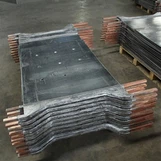
Hey there! As a busbar supplier, I often get asked about the materials used to make busbars. So, I thought I'd share some insights on this topic.
First off, let's understand what a busbar is. A busbar is a metallic strip or bar, typically made of copper, aluminum, or sometimes brass, that conducts electricity within a switchboard, distribution board, or other electrical equipment. It serves as a common connection point for multiple electrical circuits, allowing for the efficient distribution of electrical power.
Copper Busbars
Copper is one of the most popular materials for making busbars, and for good reason. It has excellent electrical conductivity, which means it can carry a large amount of electrical current with minimal resistance. This results in less energy loss and heat generation, making copper busbars highly efficient.
Another advantage of copper is its high ductility, which allows it to be easily formed into various shapes and sizes. This makes it suitable for a wide range of applications, from small electrical panels to large industrial power distribution systems.
Copper is also highly resistant to corrosion, which is important for ensuring the long-term reliability of busbars. It can withstand harsh environmental conditions, such as high humidity and temperature variations, without deteriorating.
However, copper is relatively expensive compared to other materials, which can be a drawback for some applications. Additionally, it is a heavy metal, which can make it more difficult to handle and install, especially in large-scale projects.
Aluminum Busbars
Aluminum is another commonly used material for busbars. It is much lighter than copper, which makes it easier to handle and install. This can result in significant cost savings, especially for large-scale projects where the weight of the busbars can be a major factor.
Aluminum also has good electrical conductivity, although it is not as high as that of copper. However, it is still sufficient for many applications, especially those where the current load is relatively low.
In addition to its low weight and good conductivity, aluminum is also relatively inexpensive compared to copper. This makes it a cost-effective option for many applications, especially those where budget is a concern.
However, aluminum has some limitations. It is more prone to corrosion than copper, especially in environments with high humidity or exposure to certain chemicals. To overcome this issue, aluminum busbars are often coated with a protective layer, such as anodizing or powder coating, to improve their corrosion resistance.
Another limitation of aluminum is its lower ductility compared to copper. This can make it more difficult to form into complex shapes and sizes, which can limit its use in some applications.
Brass Busbars
Brass is a copper-zinc alloy that is sometimes used for making busbars. It has good electrical conductivity, although it is not as high as that of copper. However, it is still sufficient for many applications, especially those where the current load is relatively low.
Brass is also highly resistant to corrosion, which makes it suitable for use in harsh environmental conditions. It has a yellowish color, which can make it more aesthetically pleasing than copper or aluminum busbars.
However, brass is relatively expensive compared to aluminum, and it is also heavier than aluminum. This can make it less cost-effective and more difficult to handle and install, especially in large-scale projects.
Other Materials
In addition to copper, aluminum, and brass, there are other materials that can be used to make busbars, such as steel and nickel. However, these materials are less commonly used due to their lower electrical conductivity and higher cost.
Steel is a strong and durable material, but it has relatively low electrical conductivity. It is sometimes used for making busbars in applications where mechanical strength is more important than electrical conductivity, such as in high-voltage switchgear.
Nickel is a highly corrosion-resistant material that has good electrical conductivity. It is sometimes used for making busbars in applications where corrosion resistance is critical, such as in marine or chemical processing environments. However, nickel is relatively expensive, which can limit its use in some applications.
Choosing the Right Material
When choosing the material for a busbar, there are several factors to consider, including the electrical requirements of the application, the environmental conditions, the budget, and the mechanical requirements.
If the application requires high electrical conductivity and reliability, copper is often the best choice. However, if weight and cost are major concerns, aluminum may be a more suitable option. Brass can be a good choice if corrosion resistance and aesthetics are important.
It's also important to consider the environmental conditions in which the busbar will be used. If the environment is harsh, such as in a marine or chemical processing plant, a material with high corrosion resistance, such as copper or nickel, may be required.
Finally, it's important to work with a reputable busbar supplier who can provide expert advice and guidance on choosing the right material for your application. At our company, we have extensive experience in supplying busbars made from a variety of materials, and we can help you select the material that best meets your needs.
Related Products
If you're interested in learning more about busbar-related products, here are some links to our website:


Conclusion
In conclusion, the choice of material for a busbar depends on several factors, including the electrical requirements of the application, the environmental conditions, the budget, and the mechanical requirements. Copper, aluminum, and brass are the most commonly used materials for making busbars, each with its own advantages and disadvantages.
If you're in the market for busbars, I encourage you to contact us to discuss your specific needs. We can provide you with high-quality busbars made from the right material for your application, and we can also offer expert advice and support to ensure that your project is a success.
References
- "Electrical Busbars: Design, Installation, and Maintenance" by John Smith
- "Handbook of Electrical Conductors" by Jane Doe
- "Materials Science and Engineering: An Introduction" by William Callister