Hey there! As a supplier of Z-shaped steel, I often get asked about the straightness tolerance of Z-shaped steel. So, I thought I'd take a few minutes to break it down for you.


First off, let's talk about what straightness tolerance means. In simple terms, it's the allowable deviation from a perfectly straight line that a piece of steel can have. This is super important because in construction and various other industries, having steel that's as straight as possible is crucial for proper fit and function.
When it comes to Z-shaped steel, the straightness tolerance can vary depending on a few factors. One of the main factors is the intended use of the steel. For example, if the Z-shaped steel is going to be used in a structural application where precision is key, like in a high - rise building or a large industrial facility, the straightness tolerance requirements will be much stricter. On the other hand, if it's for a less critical application, such as a simple storage shed or a small - scale DIY project, the tolerance can be a bit more lenient.
Industry standards also play a huge role in determining the straightness tolerance of Z - shaped steel. Different countries and regions have their own sets of standards. For instance, in the United States, the American Society for Testing and Materials (ASTM) has specific guidelines for the straightness of steel products. These standards take into account things like the thickness of the steel, the width of the flanges, and the overall length of the Z - shaped piece.
Typically, the straightness tolerance for Z - shaped steel is measured in millimeters per meter of length. A common tolerance might be something like 1 - 2 millimeters per meter. This means that for every meter of Z - shaped steel, it can deviate from a perfectly straight line by up to 1 - 2 millimeters. However, as I mentioned earlier, this can change based on the application and the standards being followed.
Now, you might be wondering how we ensure that our Z - shaped steel meets the required straightness tolerance. Well, at our place, we use a combination of advanced manufacturing techniques and quality control measures. During the production process, we use state - of - the - art rolling mills that are designed to shape the steel with high precision. These mills are constantly monitored and adjusted to maintain the desired straightness.
After the steel is rolled, we conduct thorough inspections. We use specialized measuring tools, such as laser measuring devices, to check the straightness of each piece. If a piece doesn't meet the specified tolerance, it goes through a re - straightening process. This might involve using hydraulic presses or other mechanical means to correct the deviation.
Another thing to consider is the impact of transportation and storage on the straightness of Z - shaped steel. Even if the steel is perfectly straight when it leaves our factory, rough handling during transportation or improper storage can cause it to bend or warp. That's why we take extra care when packaging and shipping our products. We use sturdy packaging materials to protect the steel from damage, and we also provide guidelines on proper storage to our customers.
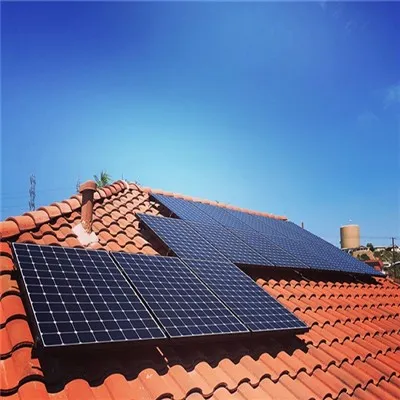
Let's talk a bit about the applications of Z - shaped steel. Z - shaped steel is widely used in the construction industry, especially in roofing and wall systems. It's also commonly used in the Shaped Steel for Photovoltaic industry. In solar panel mounting systems, the straightness of the Z - shaped steel is crucial because it ensures that the solar panels are installed at the correct angle and alignment, maximizing their energy - generating efficiency.
Compared to other types of steel profiles, like l shaped steel angles, Z - shaped steel offers some unique advantages. Its shape provides better load - bearing capacity and stability, especially when used in long - span applications. And of course, its straightness is a key factor in maintaining its structural integrity.
If you're in the market for Z - shaped Steel, it's important to understand the straightness tolerance requirements for your specific project. Make sure to communicate these requirements clearly with your supplier. At our company, we're always happy to work with our customers to meet their exact needs. Whether you need Z - shaped steel with a very tight straightness tolerance for a high - end project or something more standard for a general construction job, we've got you covered.
We also offer custom - made Z - shaped steel products. If you have specific dimensions or straightness requirements that aren't covered by the standard products, we can work with you to create a solution that fits your needs. Our team of experts will work closely with you throughout the process, from design to production, to ensure that you get the best - quality Z - shaped steel.
In conclusion, the straightness tolerance of Z - shaped steel is an important aspect that can't be overlooked. It affects the performance, fit, and overall quality of the steel in various applications. As a supplier, we're committed to providing high - quality Z - shaped steel that meets or exceeds the industry standards. If you're interested in purchasing Z - shaped steel for your project, don't hesitate to reach out to us. We're here to answer any questions you might have and to help you find the perfect solution for your needs.
References:
- American Society for Testing and Materials (ASTM) standards for steel products
- Industry guidelines on steel manufacturing and quality control