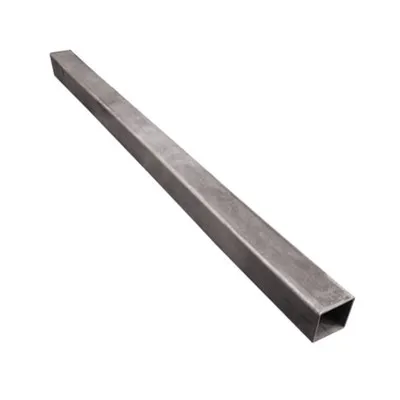
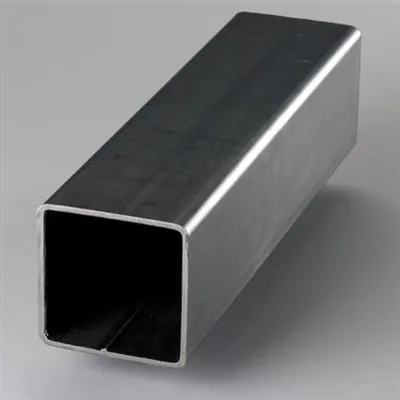
What is the standard thickness of hot rolled square tubes? As a seasoned supplier of Hot Rolled Square Tube, I've had the privilege of delving deep into the nuances of these versatile products. In this blog post, I'll share my insights on the standard thickness of hot rolled square tubes, the factors that influence it, and how it impacts various applications.
Understanding Hot Rolled Square Tubes
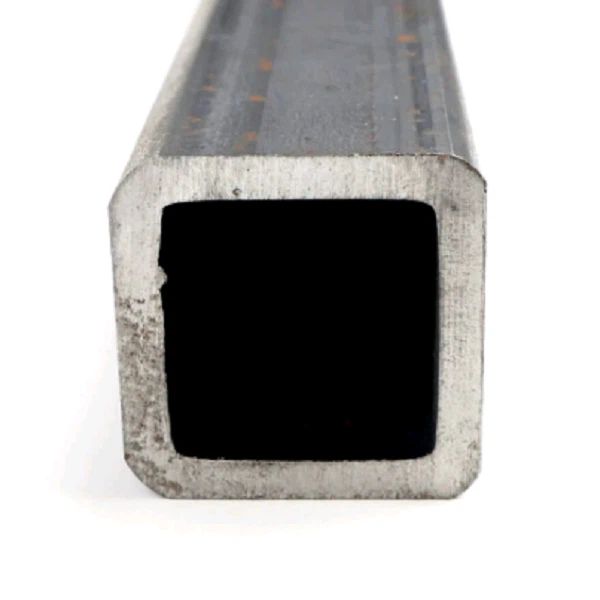
Before we dive into the standard thickness, let's briefly understand what hot rolled square tubes are. Hot rolling is a metal forming process where the metal is heated above its recrystallization temperature and then rolled into various shapes, including square tubes. This process gives the tubes a rough, scaly surface finish but imparts excellent mechanical properties, such as high strength and ductility.
Hot rolled square tubes are widely used in construction, machinery manufacturing, automotive, and other industries. They are valued for their durability, cost - effectiveness, and ease of fabrication. The standard thickness of these tubes plays a crucial role in determining their suitability for different applications.
Standard Thickness Ranges
The standard thickness of hot rolled square tubes can vary significantly depending on the size of the tube and the specific requirements of the industry. In general, the thickness can range from approximately 2mm to 20mm. However, this is just a broad range, and different regions and industries may have their own specific standards.
For smaller - sized hot rolled square tubes, with side lengths typically less than 50mm, the standard thickness often falls between 2mm and 5mm. These thinner tubes are commonly used in applications where light - weight and corrosion - resistant structures are required, such as in some furniture manufacturing or small - scale machinery.
On the other hand, larger - sized square tubes, with side lengths of 100mm or more, can have a standard thickness of 5mm to 20mm. These thicker tubes are used in heavy - duty construction, large - scale machinery, and structural support applications. For example, in high - rise buildings, thick - walled hot rolled square tubes are used to provide the necessary structural stability.
Factors Influencing the Standard Thickness
Several factors influence the determination of the standard thickness of hot rolled square tubes. Understanding these factors can help you choose the right tube thickness for your specific application.
Application Requirements
The most significant factor is the application itself. In engineering and construction, the load - bearing capacity is a primary consideration. For structures that need to support heavy loads, such as bridges and large industrial buildings, thicker square tubes are required. In contrast, for decorative applications or light - duty frameworks, thinner tubes may be sufficient.
Material Properties
The type of material used in the hot rolled square tube production also affects the standard thickness. Different grades of steel have different strength and ductility properties. Higher - strength steels can often be used in thinner wall thicknesses while still meeting the required load - bearing and performance criteria. For example, a high - strength low - alloy (HSLA) steel tube may be able to achieve the same performance as a thicker carbon steel tube.
Manufacturing Constraints
Manufacturing processes also play a role in determining the standard thickness. The hot rolling process has its limitations in terms of the minimum and maximum thicknesses that can be achieved. Thinner tubes may be more difficult to produce due to issues such as cracking or uneven rolling, while extremely thick tubes may require specialized equipment and longer production times.
Impact of Thickness on Performance
The thickness of a hot rolled square tube has a direct impact on its performance in various applications.
Strength and Load - Bearing Capacity
Thicker tubes generally have higher strength and can bear greater loads. This is because a larger cross - sectional area of the tube wall provides more material to resist external forces. For example, in a building's structural framework, thicker square tubes can better withstand the weight of the building and external forces like wind and seismic activity.
Durability and Resistance
Thicker tubes are also more durable and resistant to damage. They are less likely to deform under stress and are more resistant to corrosion and wear. In applications where the tubes are exposed to harsh environmental conditions, such as in outdoor construction or marine environments, a thicker tube will have a longer service life.
Weldability and Fabrication
The thickness of the tube can also affect its weldability and ease of fabrication. Thinner tubes are generally easier to weld and bend, making them more suitable for applications that require complex shapes and detailed fabrication. Thicker tubes may require more advanced welding techniques and stronger bending equipment.
Comparison with Other Types of Tubes
It's also interesting to compare hot rolled square tubes with other types of tubes, such as Cold Rolled Square Tube and Rectangular Steel Tubing.
Cold rolled square tubes are produced at room temperature and usually have a smoother surface finish compared to hot rolled tubes. They can have more precise thickness tolerances, which can be beneficial in applications where dimensional accuracy is critical. However, cold rolled tubes tend to be less ductile than hot rolled tubes.
Rectangular steel tubing, as the name suggests, has a rectangular cross - section instead of a square one. While the basic principles of thickness and performance are similar, the shape of the tube can influence its load - bearing capacity and suitability for different applications. Rectangular tubes may be more suitable for applications where there is a need to distribute loads in a non - uniform way.
Choosing the Right Thickness for Your Project
When choosing the thickness of hot rolled square tubes for your project, it's important to consider the specific requirements of your application. Conduct a detailed load - bearing analysis to determine the minimum thickness needed to ensure structural integrity. Consult with a structural engineer or a materials expert if necessary.
Also, take into account the manufacturing and fabrication processes involved. If your project requires extensive welding or bending, a thinner tube may be more suitable. However, if durability and long - term performance are your top priorities, a thicker tube is likely the better choice.

Contact for Purchase and Negotiation
If you're in the market for high - quality hot rolled square tubes, I'd be more than happy to assist you. I have extensive experience in supplying these tubes to a wide range of industries and can help you select the right thickness and size for your specific needs. Please feel free to reach out for further discussions on your procurement requirements.
References
- "Handbook of Steel Construction" by American Institute of Steel Construction.
- "Metallurgy and Mechanics of Welding" by John F. Lancaster.
- Industry standards and specifications from relevant national and international organizations.