

Hey there! As a busbar supplier, I often get asked about the noise generated by busbars. It's a topic that might not seem super exciting at first glance, but it's actually pretty important, especially if you're using busbars in various electrical systems. So, let's dive right in and explore what this noise is all about.
First off, what the heck is a busbar? Well, it's a conductor that distributes electrical power within a system. Think of it as a highway for electricity, carrying current from one place to another. Busbars are used in a whole bunch of applications, from industrial power distribution to automotive electrical systems. You can check out some of our products like Car Battery Terminal Connectors and MCB Copper Bar for a better idea of the types of busbars we deal with.
Now, onto the noise. When we talk about the noise generated by a busbar, we're not talking about the kind of noise you can hear with your ears. Instead, it's electrical noise, which is essentially unwanted electrical signals that can interfere with the normal operation of a system. There are a few different sources of this electrical noise in busbars.
One of the main culprits is electromagnetic interference (EMI). EMI occurs when the electrical current flowing through the busbar creates a magnetic field, which can then interact with other nearby electrical components. This interaction can cause unwanted electrical signals to be induced in those components, leading to noise. For example, if you have a busbar running close to a sensitive electronic circuit, the EMI from the busbar could disrupt the normal operation of that circuit.
Another source of noise is corona discharge. Corona discharge happens when the electrical field around the busbar is strong enough to ionize the air molecules. This ionization process can create a small amount of electrical current that flows through the air, which in turn generates noise. Corona discharge is more likely to occur in high-voltage systems or in situations where the busbar has sharp edges or irregular surfaces.
Thermal noise is also a factor. As the busbar heats up due to the flow of electrical current, the random motion of the electrons within the conductor increases. This random motion can create small fluctuations in the electrical signal, which we perceive as noise. Thermal noise is generally more of an issue in high-power applications where the busbar is subjected to a lot of current and heat.
So, why does all this noise matter? Well, electrical noise can have a significant impact on the performance of an electrical system. It can cause errors in data transmission, reduce the efficiency of power distribution, and even damage sensitive electronic components. For example, in a communication system, noise can corrupt the transmitted data, leading to errors and reduced reliability. In a power distribution system, noise can cause voltage fluctuations, which can affect the operation of connected equipment.
As a busbar supplier, we understand the importance of minimizing this noise. That's why we take a number of steps to reduce the noise generated by our busbars. One of the ways we do this is by using high-quality materials. We carefully select the conductors and insulation materials to ensure they have low electrical resistance and good electromagnetic shielding properties. This helps to reduce the amount of EMI and other forms of noise.
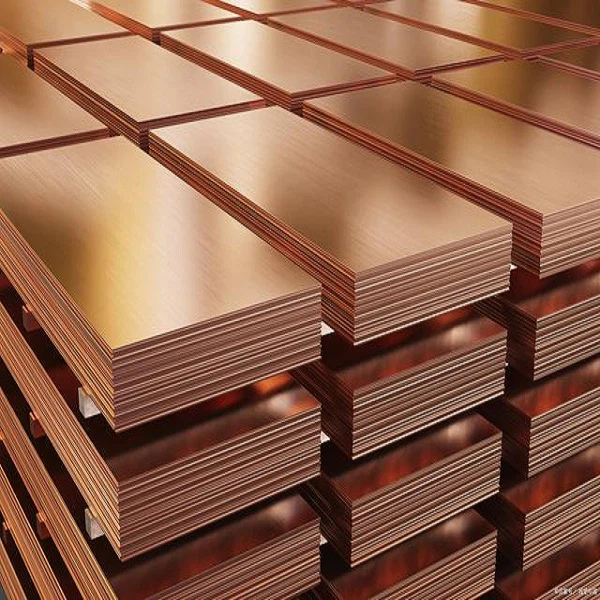

We also pay close attention to the design of our busbars. By using smooth, rounded edges and avoiding sharp corners, we can reduce the likelihood of corona discharge. Additionally, we optimize the layout of the busbar system to minimize the distance between the busbar and other sensitive components, which helps to reduce the impact of EMI.
Proper installation is another key factor. We provide detailed installation instructions to our customers to ensure that the busbars are installed correctly. This includes proper grounding, which helps to dissipate any unwanted electrical signals and reduce noise. We also recommend using appropriate shielding and filtering techniques to further reduce the impact of noise.
In addition to our standard products, we also offer custom solutions for customers who have specific noise requirements. For example, if you're working on a project that requires a busbar with extremely low noise levels, we can work with you to design and manufacture a custom busbar that meets your exact specifications. You can also check out our Battery Terminal Components for more options.
If you're in the market for busbars and are concerned about noise, don't hesitate to reach out to us. We have a team of experts who can help you choose the right busbar for your application and provide you with all the information you need to ensure a noise-free operation. Whether you're working on a small-scale project or a large industrial installation, we have the experience and expertise to meet your needs.
In conclusion, the noise generated by a busbar is an important consideration in any electrical system. By understanding the sources of this noise and taking steps to minimize it, you can ensure the reliable and efficient operation of your system. As a busbar supplier, we're committed to providing high-quality products that meet the highest standards of performance and reliability. So, if you have any questions or need more information, feel free to contact us. We'd be happy to help you find the perfect busbar solution for your project.
References
- "Electrical Noise in Power Systems" - IEEE Transactions on Power Delivery
- "Electromagnetic Interference and Compatibility" - John Wiley & Sons
- "Busbar Design and Application" - McGraw-Hill Education


