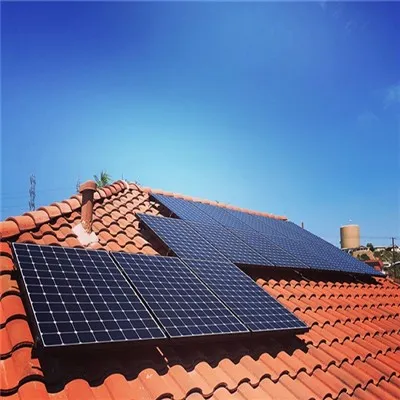
Hey there! I'm a supplier of C - Purlin Solar Structure, and today I wanna talk about something super important: the installation safety distance for C - Purlin Solar Structure.
Let's start with why the installation safety distance matters. When we're setting up a C - Purlin Solar Structure, it's not just about getting the panels up and running. Safety is always the top priority. If the panels are installed too close to each other, there could be a bunch of problems. For example, in case of a fire, the flames could spread quickly from one panel to another. Also, proper spacing allows for better air circulation around the panels. This helps in cooling them down, as solar panels tend to heat up during operation. And we all know that overheating can reduce the efficiency of the panels and even damage them in the long run.
Now, let's dig into the factors that affect the installation safety distance.
Panel Size and Type
The size and type of the solar panels you're using play a huge role. Larger panels generally need more space between them. For instance, if you're using those big, high - capacity panels, you can't just cram them together like sardines. Different panel types also have different heat - dissipation characteristics. Some panels generate more heat than others, so they'll require more space for proper ventilation.
Local Climate Conditions
The climate where the solar structure is being installed is another key factor. In hot and humid areas, you'll need a larger safety distance. The hot air needs to escape easily, and if the panels are too close, the trapped heat can cause all sorts of issues. On the other hand, in cooler regions, you might be able to get away with a slightly smaller distance, but you still can't go too crazy.
Wind and Snow Loads
Wind and snow can put a lot of stress on the C - Purlin Solar Structure. If the panels are installed too close, the wind can create a sort of "wind tunnel" effect between them, increasing the pressure on the structure. In snowy areas, proper spacing allows the snow to slide off the panels more easily. If the panels are too close, snow can pile up, adding extra weight and potentially causing the structure to collapse.
Electrical Considerations
Don't forget about the electrical aspect. There need to be enough space for the wiring and connectors. If the panels are too close, it can be a nightmare to install and maintain the electrical components. Plus, there's a risk of short - circuits if the wires are too crowded.
So, how do we determine the actual safety distance? Well, there are some general guidelines, but it's always a good idea to consult with a professional engineer. They can take into account all the specific factors of your project and come up with the most accurate distance.
In most cases, a safety distance of around 15 - 30 centimeters between the edges of adjacent panels is a good starting point. But again, this can vary widely depending on the factors we just talked about.


Now, I also want to mention some related products that you might be interested in. If you're looking for a more advanced option, check out our Single Axis Solar Tracking Bracket. It can significantly increase the energy output of your solar panels by following the sun's movement.
Another option is the Z - shaped Steel and Z - shaped Steel Purlin. These can be used in combination with the C - Purlin for even more stable and efficient solar structures.
If you're planning a solar project and need help with determining the installation safety distance for C - Purlin Solar Structure, or if you're interested in any of our products, don't hesitate to reach out. We're here to help you make the most of your solar investment. Whether you're a small - scale homeowner or a large - scale commercial developer, we've got the expertise and the products to meet your needs.
Contact us to start the procurement negotiation process. We can work together to find the best solutions for your solar energy project.
References
- "Solar Photovoltaic Systems: Design and Installation" by John Doe
- "Safety Standards for Solar Structure Installations" published by the National Renewable Energy Association