Hey there! As a solar mount brackets supplier, I've seen firsthand how installing these brackets on a metal roof can be a game - changer for solar energy systems. In this post, I'll break down the requirements for installing solar mount brackets on a metal roof. So, let's dive right in!
Understanding Your Metal Roof
First things first, you need to really understand the type of metal roof you're dealing with. There are different types, like standing seam roofs, corrugated roofs, and flat metal roofs. Each type has its own quirks and will need a different approach when it comes to mounting solar panels.
-
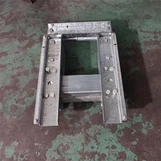
Standing Seam Roofs: These roofs have raised seams that run vertically. They're great for solar installations because they usually allow for a non - penetrating mounting system. That means you don't have to drill holes into the roof, which could cause leaks. You can use clamps that attach to the standing seams. For example, the Solar Photovoltaic Bracket is a popular choice for standing seam roofs as it can be easily secured without damaging the roof integrity.
-
Corrugated Roofs: With corrugated roofs, the surface has ridges and valleys. You'll need brackets that are designed to fit the contours of the corrugation. The Solar Mounting L - Bracket is a good option here. It can be adjusted to match the pitch and shape of the corrugated roof, providing a stable base for the solar panels.
-
Flat Metal Roofs: Flat metal roofs are relatively straightforward, but you still need to ensure proper stability. You might use ballast systems or penetrate the roof in a sealed way. Just make sure that any penetrations are well - sealed to prevent water leaks.
Roof Condition
Before you start installing solar mount brackets, you've got to assess the condition of the metal roof. A damaged or deteriorating roof won't be able to support the weight of the solar panels and brackets over time.
-
Inspect for Rust and Corrosion: Rust can weaken the metal, reducing its load - bearing capacity. If you find rust spots, you may need to treat them before installation. In some cases, if the rust is extensive, it might be necessary to replace the affected sections of the roof.
-
Check for Dents and Dings: Dents can affect the flatness and stability of the mounting surface. Minor dents can sometimes be repaired, but major ones might require more extensive work.
Structural Integrity
The metal roof must be able to support the additional weight of the solar panels and mount brackets. You need to consider factors like the pitch of the roof, the local climate (including snow and wind loads), and the size and number of solar panels you plan to install.


-
Load - Bearing Capacity: Calculate the total weight of the solar panels, brackets, and any associated equipment. Then, check the manufacturer's specifications for the roof to see if it can handle that load. If you're not sure, it's a good idea to consult a structural engineer.
-
Wind and Snow Loads: In areas with high winds or heavy snowfall, the solar mount brackets need to be able to withstand these forces. Make sure the brackets you choose are rated for the local wind and snow loads. The Tracking Sunlight Photovoltaic Bracket is engineered to handle various environmental conditions, providing reliable performance.
Mounting Hardware Compatibility
The mounting hardware you use must be compatible with both the metal roof and the solar panels.
-
Material Compatibility: The metal used in the brackets should be compatible with the metal of the roof to prevent galvanic corrosion. For example, if your roof is made of aluminum, using stainless - steel brackets is a good choice as they're less likely to react with the aluminum.
-
Panel Compatibility: The brackets should be designed to fit the specific type and size of solar panels you're using. Different panels have different mounting points and requirements, so make sure you choose brackets that can accommodate them.
Installation Tools and Skills
Installing solar mount brackets on a metal roof requires the right tools and some basic skills.
-
Tools: You'll need tools like drills, wrenches, screwdrivers, and a level. Make sure you have all the necessary tools before you start the installation.
-
Skills: While you don't need to be a professional contractor, having some basic DIY skills can be helpful. You should know how to measure accurately, drill holes in the right places, and secure the brackets properly. If you're not confident in your skills, it's a good idea to hire a professional installer.
Permits and Regulations
Don't forget about the permits and regulations! Before you start any solar installation, you need to check with your local authorities to see what permits are required.
-
Building Permits: In most areas, you'll need a building permit for a solar installation. This ensures that the installation meets local building codes and safety standards.
-
Electrical Permits: If your solar system is connected to the electrical grid, you'll also need an electrical permit. This is to make sure that the electrical work is done correctly and safely.
Conclusion
Installing solar mount brackets on a metal roof requires careful planning and attention to detail. You need to understand your roof type, assess its condition and structural integrity, choose compatible mounting hardware, have the right tools and skills, and comply with local permits and regulations.
If you're in the market for high - quality solar mount brackets, we're here to help. We offer a wide range of products, including the Solar Photovoltaic Bracket, Solar Mounting L - Bracket, and Tracking Sunlight Photovoltaic Bracket. Whether you're a DIY enthusiast or a professional installer, we've got the right solution for you. Feel free to reach out to start a conversation about your solar mounting needs and let's discuss how we can provide the best products for your project.
References
- Solar Energy Industries Association. Best Practices for Solar Panel Installation on Metal Roofs.
- Metal Construction Association. Guide to Mounting Solar Panels on Metal Roofs.