As an i-beam supplier, I've spent a lot of time promoting the advantages of i-beams. They're super popular in construction and engineering because of their strength and efficiency. But like anything, i-beams aren't perfect. In this blog, I'm gonna talk about some of the disadvantages of i-beams.
Limited Flexibility in Design
One of the main drawbacks of i-beams is their limited flexibility in design. I-beams have a very specific shape - a horizontal top and bottom flange connected by a vertical web. This shape gives them great strength in one direction, but it also restricts how they can be used in different structures.
For example, if you're working on a project that requires a curved or irregularly shaped structure, i-beams might not be the best choice. Their straight and rigid nature makes it difficult to incorporate them into designs that deviate from the traditional rectangular or linear forms. You'd have to use additional materials or complex fabrication techniques to achieve the desired shape, which can add to the cost and time of the project.

Vulnerability to Lateral Torsional Buckling
Another significant disadvantage of i-beams is their vulnerability to lateral torsional buckling. When an i-beam is subjected to a load, it can start to twist and buckle sideways if it's not properly supported. This is especially true for long-span i-beams or those with slender cross-sections.
Lateral torsional buckling can be a serious safety issue, as it can cause the beam to fail suddenly and unexpectedly. To prevent this, engineers often have to use additional bracing or support systems, which again increase the cost and complexity of the project. Even with these measures in place, there's still a risk of buckling if the beam is not installed correctly or if the load exceeds the design limits.
High Cost of Fabrication and Installation
Fabricating and installing i-beams can be quite expensive. The manufacturing process for i-beams involves precise machining and welding to ensure the strength and integrity of the beam. This requires specialized equipment and skilled labor, which drives up the cost.
In addition, the installation of i-beams can be challenging and time-consuming. They're heavy and bulky, so they need to be handled with care using cranes and other heavy machinery. The installation process also requires a high level of precision to ensure that the beams are properly aligned and supported. Any mistakes during installation can lead to structural problems down the line, which can be costly to fix.
Susceptibility to Corrosion
I-beams are typically made of steel, which is prone to corrosion. When steel is exposed to moisture and oxygen, it forms rust, which can weaken the beam over time. This is a major concern, especially in environments where the beams are exposed to harsh weather conditions or chemicals.
To protect i-beams from corrosion, they often need to be coated with a protective layer, such as paint or galvanization. However, these coatings can wear off over time, especially in high-traffic or abrasive environments. Regular maintenance and inspection are required to ensure that the protective coatings are intact and to address any signs of corrosion before they become a serious problem.
Limited Fire Resistance
Steel i-beams also have limited fire resistance. When exposed to high temperatures, steel loses its strength and can deform or collapse. This is a significant safety concern in buildings, as it can compromise the structural integrity of the entire structure during a fire.
To improve the fire resistance of i-beams, they can be coated with fireproofing materials or enclosed in fire-rated partitions. However, these measures add to the cost and complexity of the construction. In addition, the effectiveness of fireproofing materials can degrade over time, so regular inspections and maintenance are necessary to ensure their continued performance.
Alternatives to I-Beams
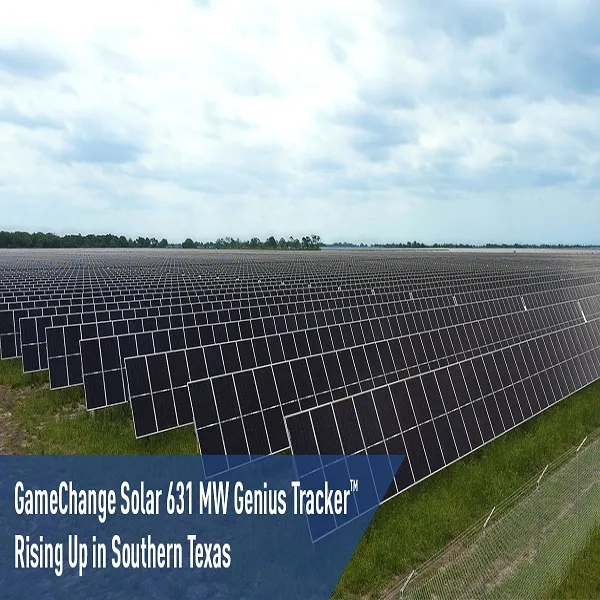
Given these disadvantages, it's worth considering some alternatives to i-beams. For example, High Quality Solar Bracket and C-Purlin Solar Structure are popular choices for solar panel installations. These structures offer a more flexible and cost-effective solution, especially for projects with irregular shapes or limited space.
Another alternative is the Flat Single Axis Sunlight Tracking Bracket, which can optimize the performance of solar panels by tracking the sun's movement. These brackets are designed to be lightweight and easy to install, making them a great option for both residential and commercial solar projects.
Conclusion
While i-beams have many advantages and are widely used in the construction industry, they also have several significant disadvantages. Their limited flexibility in design, vulnerability to lateral torsional buckling, high cost of fabrication and installation, susceptibility to corrosion, and limited fire resistance are all factors that need to be considered when choosing a structural material.
As an i-beam supplier, I understand the importance of providing our customers with the best possible solutions for their projects. That's why I always recommend considering the specific requirements of the project and exploring alternative options before making a decision. If you're interested in learning more about i-beams or other structural materials, or if you have any questions about your project, please don't hesitate to contact me. I'm here to help you find the right solution for your needs.
References
- "Structural Steel Design" by Jack C. McCormac
- "Steel Construction Manual" by the American Institute of Steel Construction