Hey there! As a hot rolled square tube supplier, I've seen firsthand how the production process can have a huge impact on the properties of these tubes. In this blog, I'm gonna break down the different steps in the production process and explain how each one affects the final product.
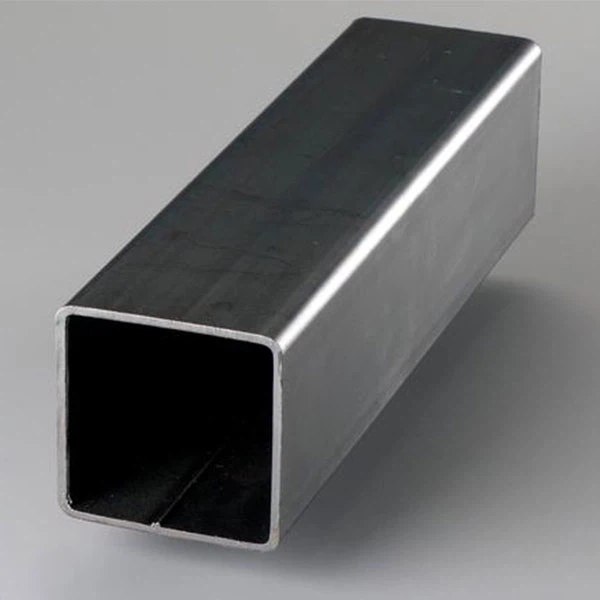
Let's start with the basics. Hot rolled square tubes are made from steel billets, which are heated to a high temperature and then passed through a series of rollers to shape them into the desired square cross - section. This process is done at a temperature above the recrystallization temperature of the steel, which gives the tubes some unique properties.
Heating Process
The first step in making hot rolled square tubes is heating the steel billets. The temperature at which the billet is heated is crucial. If it's heated too low, the steel won't be malleable enough to be shaped properly. On the other hand, if it's heated too high, it can lead to excessive grain growth in the steel.
When the steel grains grow too large, it can make the tube less strong and more brittle. A well - heated billet, at the right temperature, allows for a more uniform grain structure. This uniform grain structure results in better mechanical properties, like higher tensile strength and better ductility. For instance, a tube with a uniform grain structure can withstand more stress without breaking or deforming.
Rolling Process
Once the billet is heated, it's time for the rolling. The rolling process is where the billet is transformed into a square tube. There are multiple passes through the rollers, and each pass reduces the thickness of the billet and shapes it closer to the final square shape.
The pressure applied during rolling also affects the properties of the tube. Higher rolling pressures can increase the density of the steel, which in turn can improve its strength. However, too much pressure can cause internal stresses in the tube. These internal stresses can lead to cracking or warping over time, especially when the tube is exposed to external forces or temperature changes.
The speed of the rolling process is another factor. A slower rolling speed allows for better control of the shape and the internal structure of the tube. It gives the steel more time to adjust to the deformation, reducing the likelihood of internal defects. In contrast, a very fast rolling speed might lead to uneven shaping and a less - than - ideal internal structure.
Cooling Process
After rolling, the hot rolled square tube needs to be cooled. The cooling rate has a significant impact on the tube's properties. If the tube is cooled too quickly, it can form a hard and brittle outer layer. This is because rapid cooling causes the formation of martensite, a very hard but brittle phase of steel.
On the other hand, slow cooling allows for a more gradual transformation of the steel structure. It promotes the formation of ferrite and pearlite, which are more ductile and have better toughness. A tube with a good balance of ferrite and pearlite can handle bending and other forms of deformation without cracking.
Surface Treatment
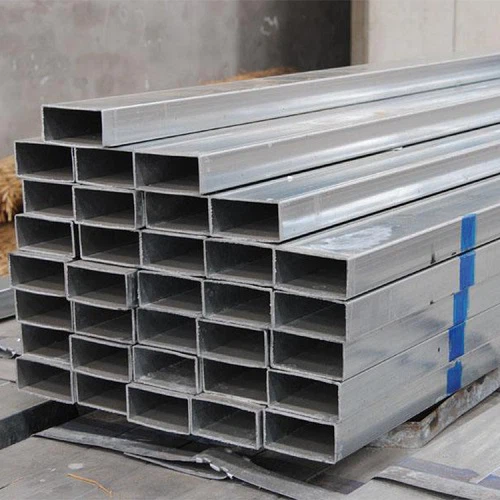
Many hot rolled square tubes go through a surface treatment process. One common treatment is galvanization. Galvanized square tubes, like the ones you can find at Galvanized Rectangular Tube, have a zinc coating on the surface. This coating provides excellent corrosion resistance.
The process of galvanization involves dipping the tube in a bath of molten zinc. The zinc bonds with the steel surface, creating a protective layer. This layer not only protects the tube from rust and corrosion but also gives it a longer lifespan, especially in harsh environments like coastal areas or industrial settings where there are high levels of moisture or chemicals.
Finishing and Quality Control
Once the tube is cooled and possibly surface - treated, it goes through a finishing process. This might involve cutting the tube to the desired length, deburring the edges, and inspecting for any surface defects.
Quality control is an essential part of the production process. We check the dimensions of the tube to make sure they meet the required specifications. Any deviation in dimensions can affect how the tube fits into a construction project. We also perform tests to check the mechanical properties, like tensile strength and hardness. Tubes that don't meet the quality standards are rejected.
Impact on Different Applications
The properties of hot rolled square tubes affect their suitability for different applications. For example, Rectangular Pipe Square Tubing is often used in solar panel mounts. Tubes with high strength and good corrosion resistance are ideal for this application. Since solar panel mounts are exposed to the elements, they need to be able to withstand wind, rain, and temperature changes over a long period.
Structural Steel Square Tube is commonly used in building construction. In this case, the tubes need to have high load - bearing capacity. Tubes with a uniform grain structure and proper internal stresses can support the weight of the building and any additional loads, like snow or wind pressure.
Conclusion
As you can see, every step in the production process of hot rolled square tubes plays a vital role in determining their properties. From heating the billet to the final quality control, each decision and parameter can make a big difference in the strength, durability, and usability of the tube.
If you're in the market for high - quality hot rolled square tubes, we're here to help. Whether you need tubes for solar panel mounts, building construction, or any other application, we can provide you with tubes that meet your specific requirements. Don't hesitate to reach out to us to discuss your needs and start the procurement process.
References
- "Metallurgy for Engineers" by George E. Dieter
- "Mechanical Properties of Materials" by James F. Shackelford