How does a purlin work in a building structure?
In the realm of building construction, every component plays a crucial role in ensuring the stability, durability, and functionality of the overall structure. One such essential element is the purlin. As a purlin supplier, I have witnessed firsthand the significance of purlins in various building projects. In this blog, I will delve into how purlins work in a building structure, their types, functions, and why they are indispensable in modern construction.
What is a Purlin?
A purlin is a horizontal beam that is used to support the roof covering and transfer the loads from the roof to the main structural frame of a building. It is typically placed perpendicular to the rafters or trusses and runs parallel to the ridge of the roof. Purlins are commonly made from different materials, including steel, wood, and aluminum, each with its own set of advantages and applications.
Types of Purlins
There are several types of purlins available in the market, each designed to meet specific structural requirements and architectural designs. Here are some of the most common types:
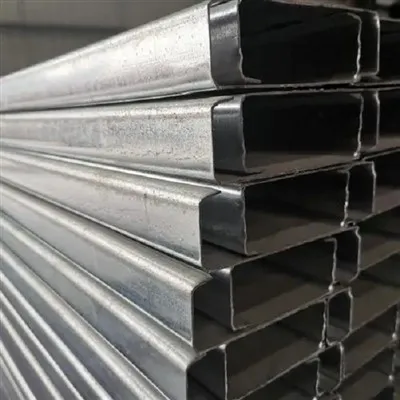
- C - Section Purlins: These are one of the most widely used types of purlins. They have a C - shaped cross - section, which provides excellent strength and stiffness. C - section purlins are easy to install and can be used in a variety of building structures, from small residential buildings to large industrial warehouses.
- Z - Section Purlins: Z - section purlins have a Z - shaped cross - section. They are often preferred in situations where overlapping of purlins is required, such as in long - span roofs. The overlapping feature allows for better load distribution and can reduce the number of support points needed.
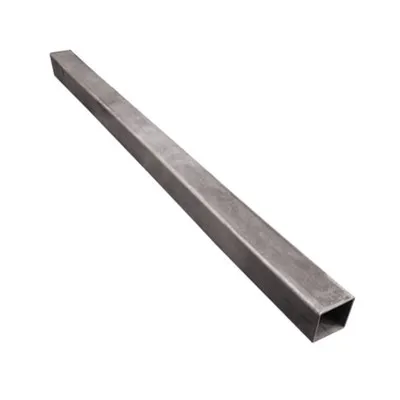
- Angle Steel: Angle steel purlins are made from L - shaped steel sections. They are relatively simple in design and are suitable for light - to medium - duty roofing applications. Angle steel purlins are cost - effective and can be easily fabricated on - site.
- Shaped Steel: Shaped steel purlins come in various custom - designed shapes to meet specific structural and aesthetic requirements. These purlins can be engineered to provide optimal strength and performance in complex building designs.
How Purlins Work in a Building Structure
The primary function of a purlin is to support the roof covering and transfer the loads acting on the roof to the main structural frame. Let's break down the process step by step:
- Load Collection: The roof covering, such as tiles, metal sheets, or shingles, is supported directly by the purlins. The purlins collect the dead loads (the weight of the roof covering itself), live loads (such as snow, wind, or people on the roof), and any other imposed loads from the roof.
- Load Transfer: Once the loads are collected, the purlins transfer them to the rafters or trusses. The purlins act as a bridge between the roof covering and the main structural frame, ensuring that the loads are evenly distributed. The rafters or trusses then transfer the loads further down to the columns or walls of the building, which ultimately transfer the loads to the foundation.
- Stability and Bracing: Purlins also contribute to the overall stability of the roof structure. They help to prevent the rafters or trusses from buckling or swaying under load. In addition, purlins can be used as bracing elements to resist lateral forces, such as wind or seismic forces. By providing lateral support to the rafters or trusses, purlins enhance the structural integrity of the entire building.
Applications of Purlins
Purlins are used in a wide range of building applications, including:
- Residential Buildings: In residential construction, purlins are commonly used to support pitched roofs. They provide a stable base for the roof covering, whether it is asphalt shingles, clay tiles, or metal roofing. Purlins help to ensure that the roof can withstand the weight of the roofing materials and any environmental loads, such as snow or wind.
- Industrial Buildings: Industrial warehouses and factories often have large - span roofs. Purlins are essential in these structures to support the heavy roof loads and provide a rigid framework for the roof. The use of purlins allows for the construction of large, open - plan spaces without the need for excessive internal supports.
- Agricultural Buildings: Barns, sheds, and other agricultural structures also rely on purlins for roof support. Purlins can be designed to accommodate the specific needs of agricultural buildings, such as the need to support heavy equipment or livestock on the roof.
- Single Axis Solar Tracking Bracket: In solar energy projects, purlins are used in the construction of solar panel mounting structures. They provide a stable platform for the solar panels and help to transfer the loads from the panels to the foundation. Single - axis solar tracking brackets often incorporate purlins to support the movement of the solar panels and ensure their proper alignment with the sun.
Advantages of Using Purlins
There are several advantages to using purlins in building construction:
- Cost - Effective: Purlins are relatively inexpensive compared to other structural elements. They can be mass - produced, which reduces the overall cost of the building project. In addition, the ease of installation of purlins can also save on labor costs.
- Lightweight: Most purlins, especially those made from steel or aluminum, are lightweight. This makes them easy to handle and transport, and it also reduces the dead load on the building structure. A lighter roof structure can result in savings on the foundation design and construction.
- Versatility: Purlins can be used in a variety of building designs and applications. They can be easily customized to meet specific structural requirements, and they can be combined with other structural elements to create complex roof systems.
- Durability: Purlins made from high - quality materials, such as galvanized steel, are highly durable. They can withstand harsh environmental conditions, including corrosion, rust, and extreme temperatures. This ensures the long - term performance of the building structure.
Considerations When Choosing Purlins
When selecting purlins for a building project, several factors need to be considered:
- Load Requirements: The type and magnitude of the loads acting on the roof, including dead loads, live loads, and environmental loads, need to be accurately calculated. This will determine the size, shape, and material of the purlins required.
- Span Length: The span length between the supports (rafters or trusses) will affect the choice of purlins. Longer spans may require larger or stronger purlins to prevent excessive deflection.
- Building Design: The architectural design of the building, including the roof pitch, shape, and layout, will influence the type of purlins that can be used. Some designs may require custom - shaped purlins to fit the specific requirements.
- Environmental Conditions: The location of the building and the local environmental conditions, such as wind, snow, and seismic activity, need to be taken into account. Purlins should be designed to withstand these conditions to ensure the safety and durability of the building.
Conclusion
In conclusion, purlins are an essential component in building structures. They play a vital role in supporting the roof covering, transferring loads, and enhancing the stability of the overall building. As a purlin supplier, I understand the importance of providing high - quality purlins that meet the specific needs of each building project. Whether you are constructing a small residential building or a large industrial facility, the right choice of purlins can make a significant difference in the performance and cost - effectiveness of your project.


If you are in the process of planning a building project and need purlins, I encourage you to contact me for more information. We can discuss your specific requirements, provide you with detailed product specifications, and offer competitive pricing. Our team of experts is ready to assist you in selecting the best purlins for your project and ensuring a successful construction process.
References
- "Building Construction Handbook" by Cyril M. Harris
- "Structural Steel Design" by Jack C. McCormac
- "Roofing and Waterproofing Manual" by the National Roofing Contractors Association